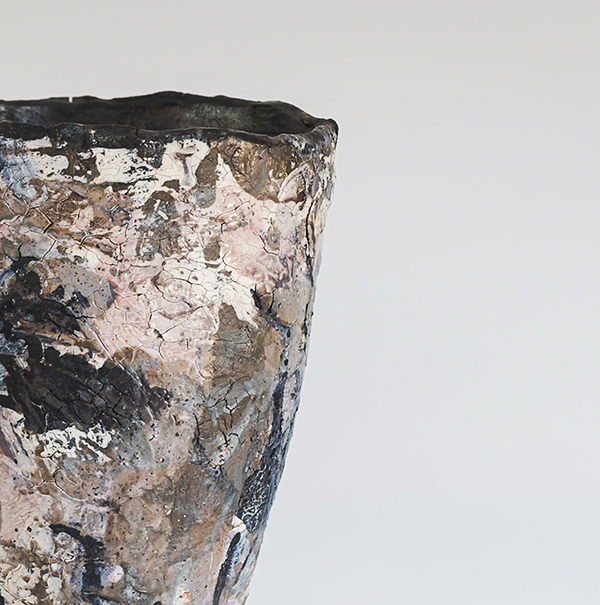
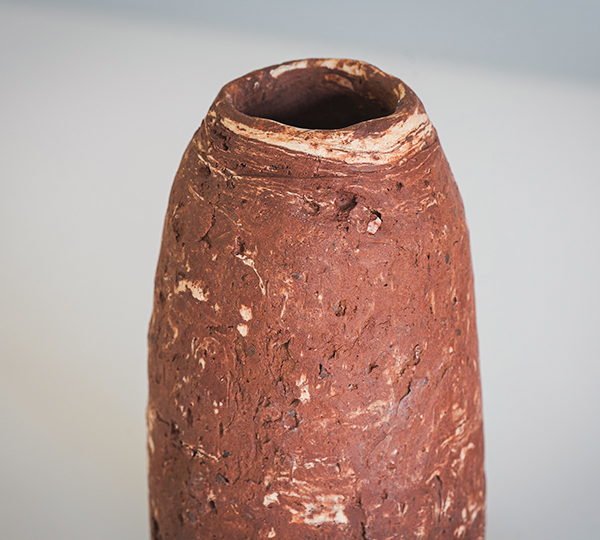
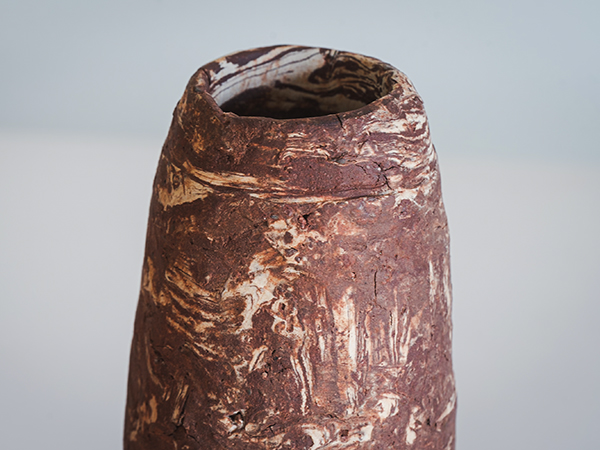
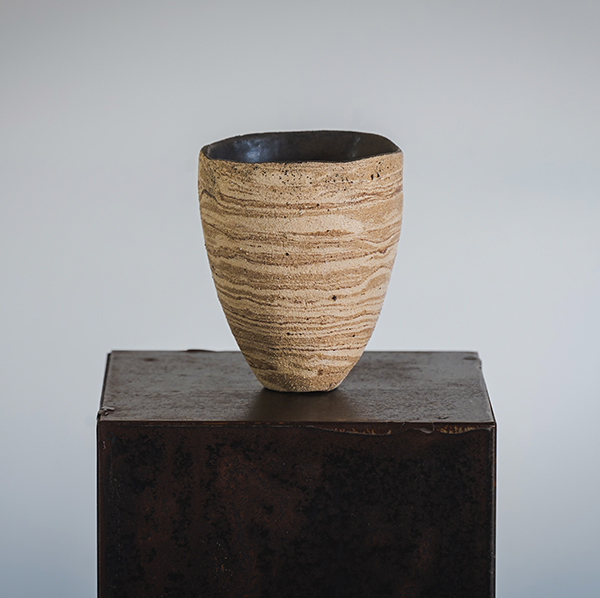
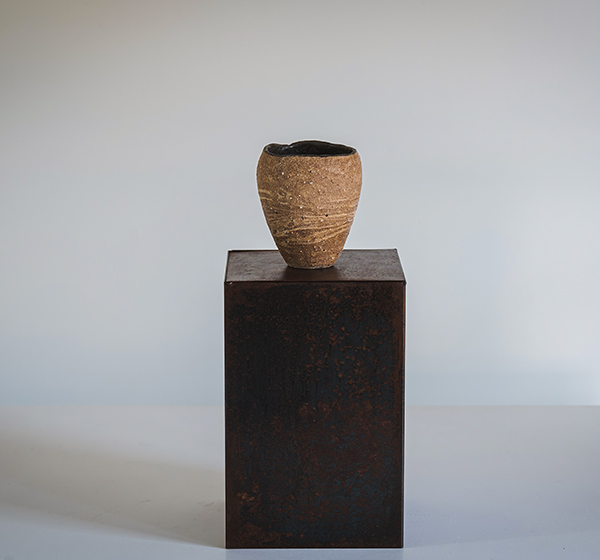
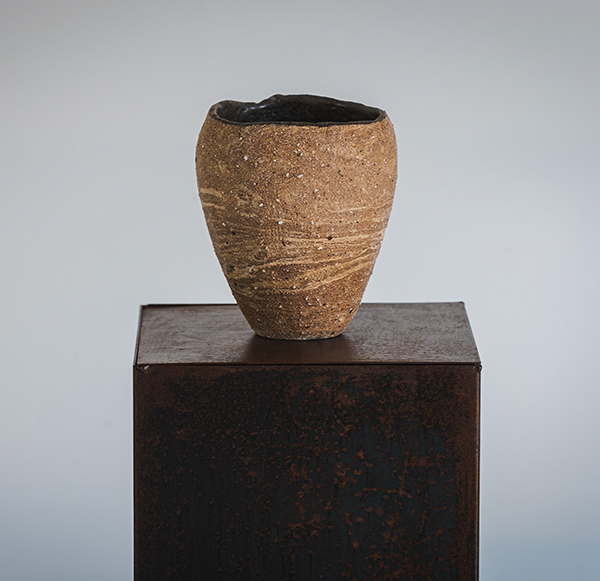
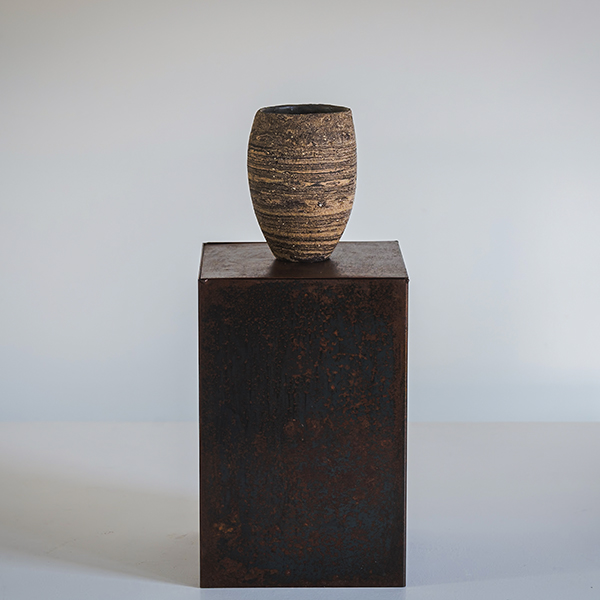
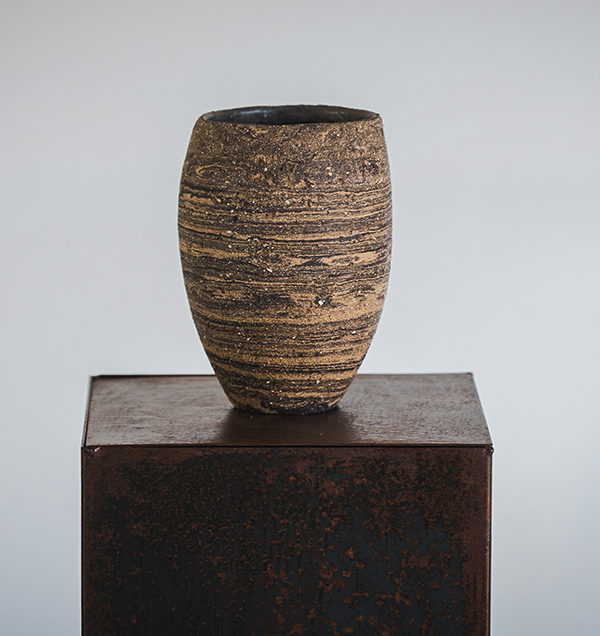

landscapes-9-ESP

landscapes-8-ESP

landscapes-7-ESP

landscapes-6-ESP

landscapes-5-ESP

landscapes-4-ESP

landscapes-3-ESP

landscapes-2-ESP

landscapes-1-ESP

landscapes-9-ANG

landscapes-8-ANG

landscapes-7-ANG

landscapes-6-ANG

landscapes-5-ANG

landscapes-4-ANG

landscapes-3-ANG

landscapes-2-ANG

landscapes-1-ANG

raku-9-ESP

raku-8-ESP

raku-7-ESP

raku-6-ESP

raku-5-ESP

raku-4-ESP

raku-3-ESP

raku-2-ESP

raku-1-ESP

raku-9-ANG

raku-8-ANG

raku-7-ANG

raku-6-ANG

raku-5-ANG

raku-4-ANG

raku-3-ANG

raku-2-ANG

raku-1-ANG

fishes-9-ESP

fishes-8-ESP

fishes-7-ESP

fishes-6-ESP

fishes-5-ESP

fishes-4-ESP

fishes-3-ESP

fishes-2-ESP

fishes-1-ESP

fishes-9-ANG

fishes-8-ANG

fishes-7-ANG

fishes-6-ANG

fishes-5-ANG

fishes-4-ANG

fishes-3-ANG

fishes-2-ANG

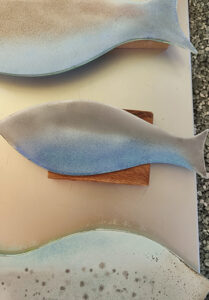
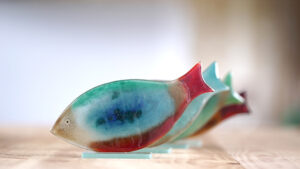
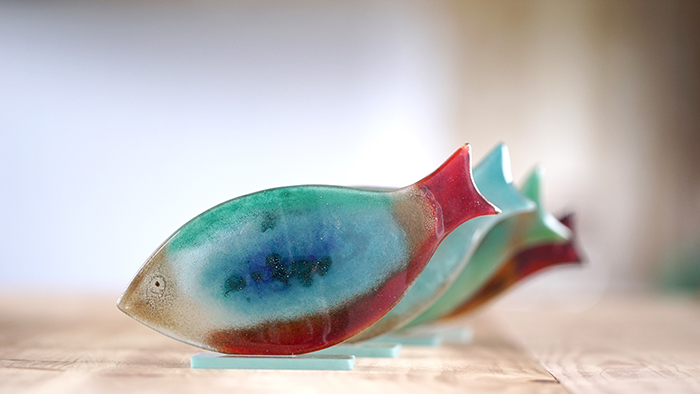
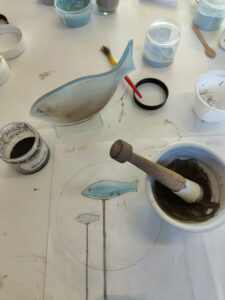
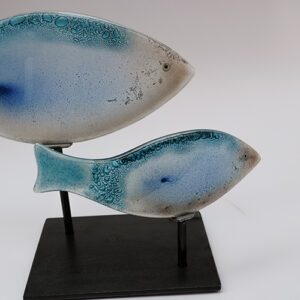
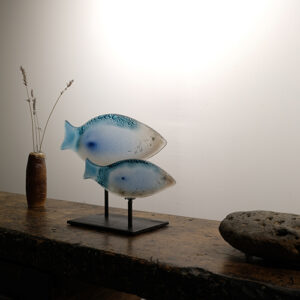
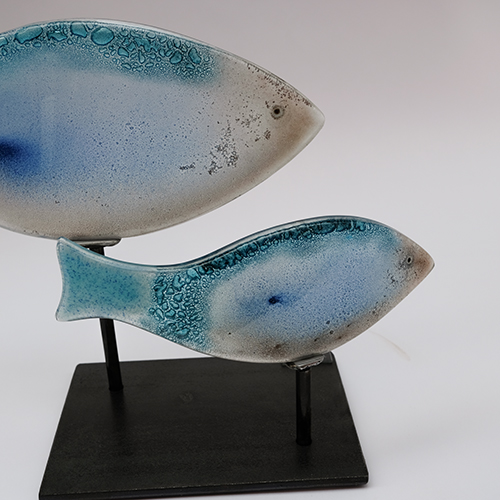
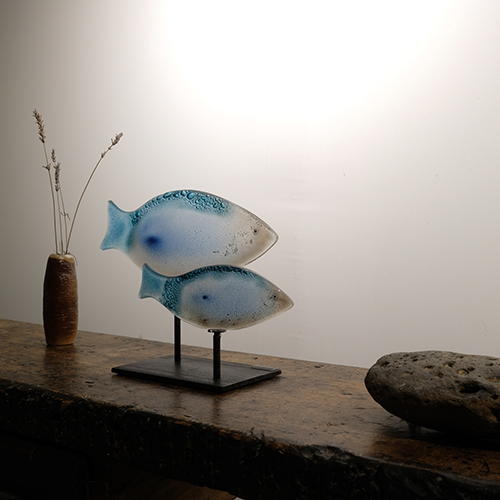
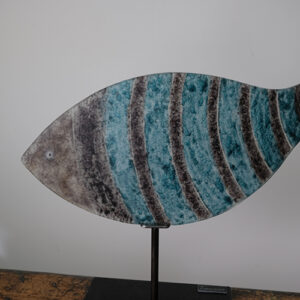
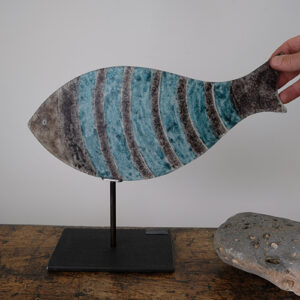
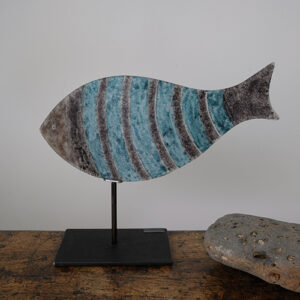
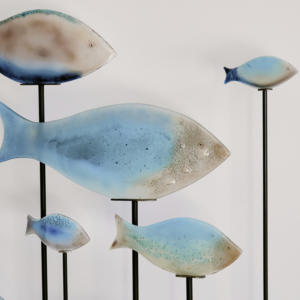
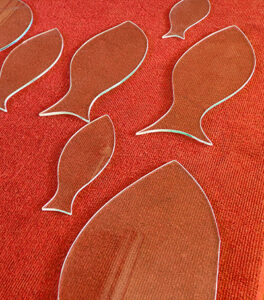
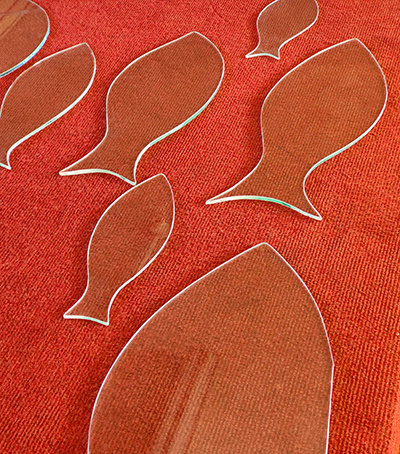
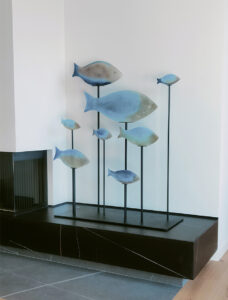
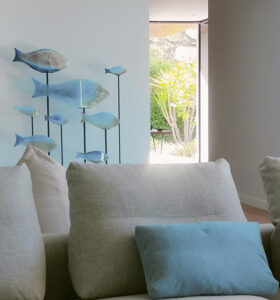
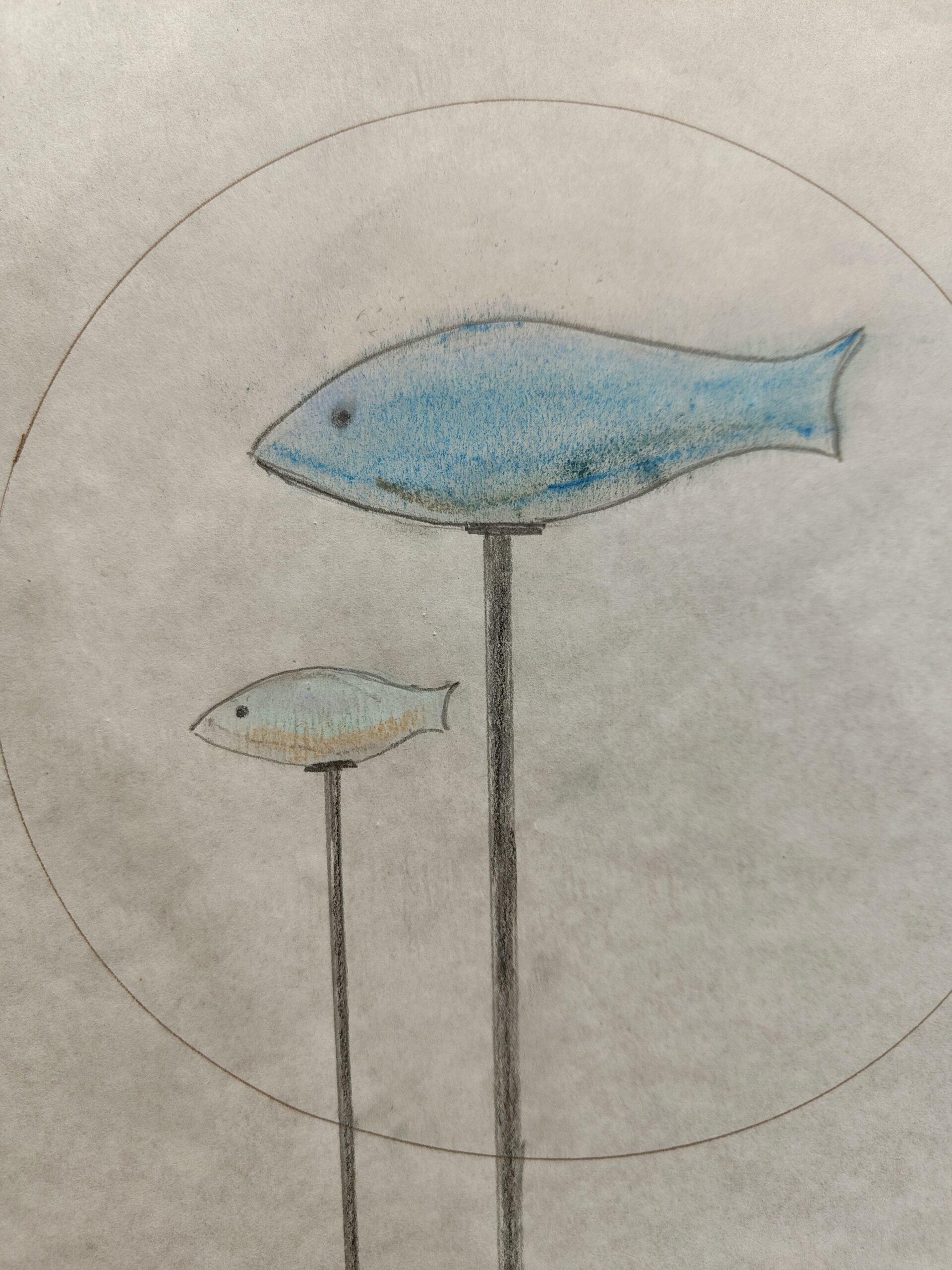
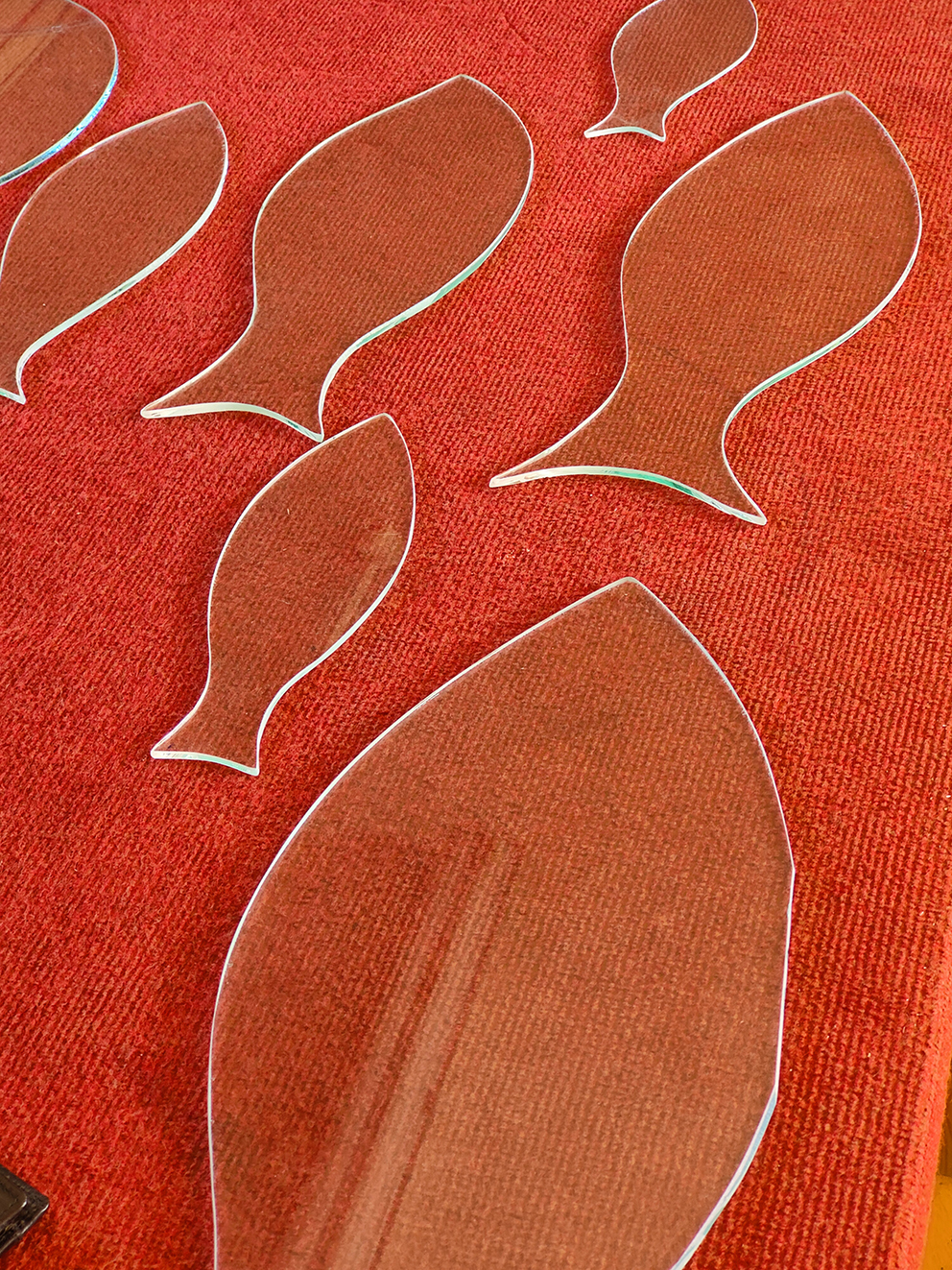
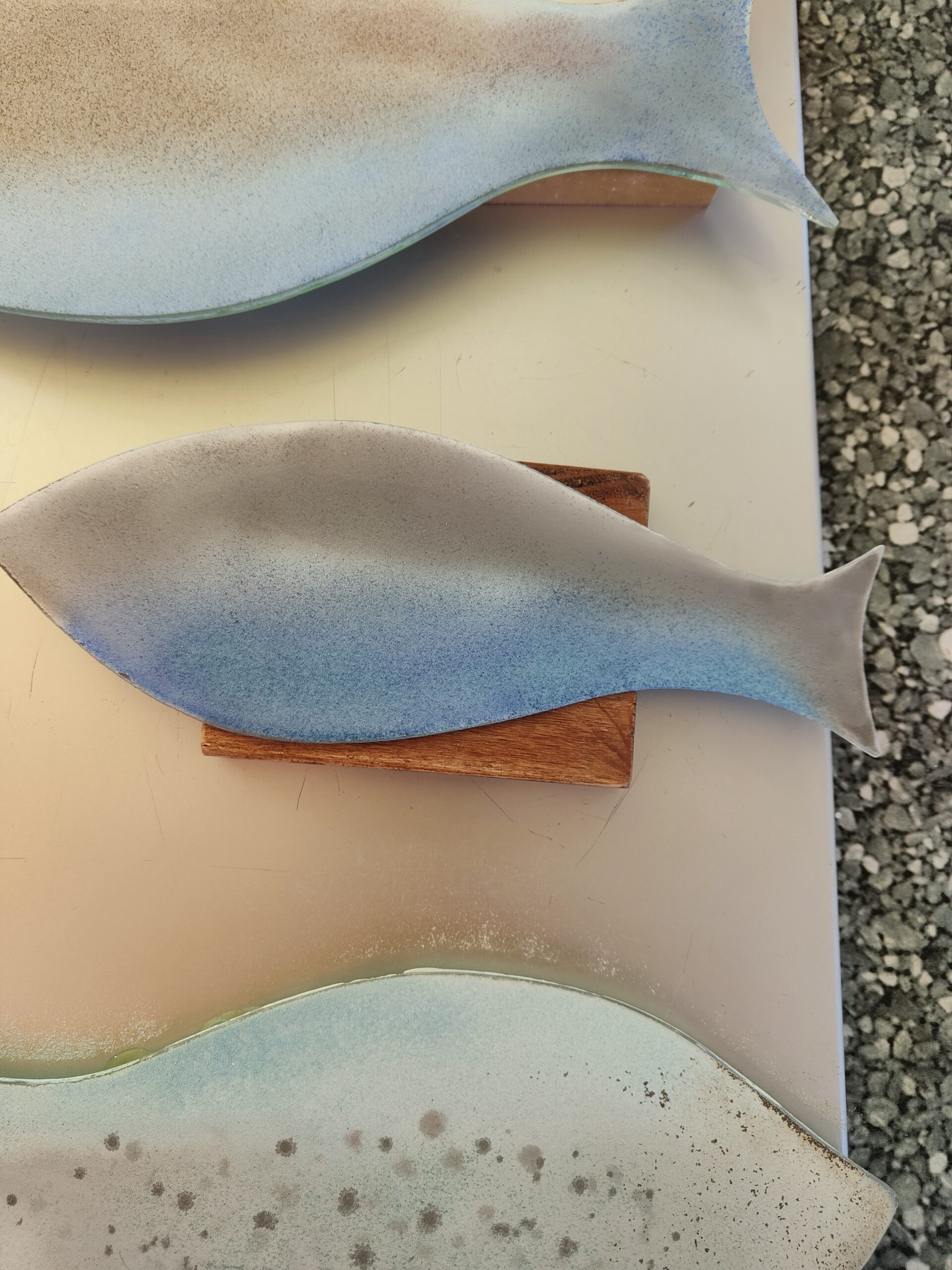
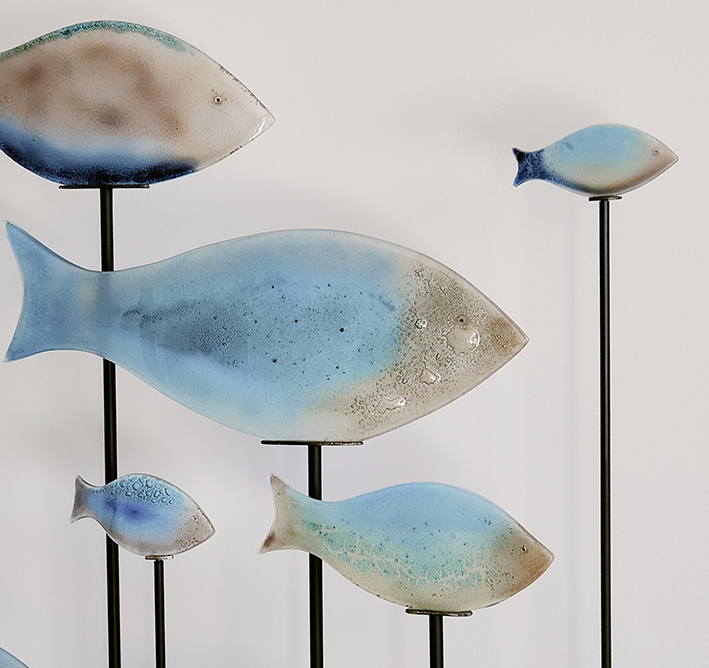
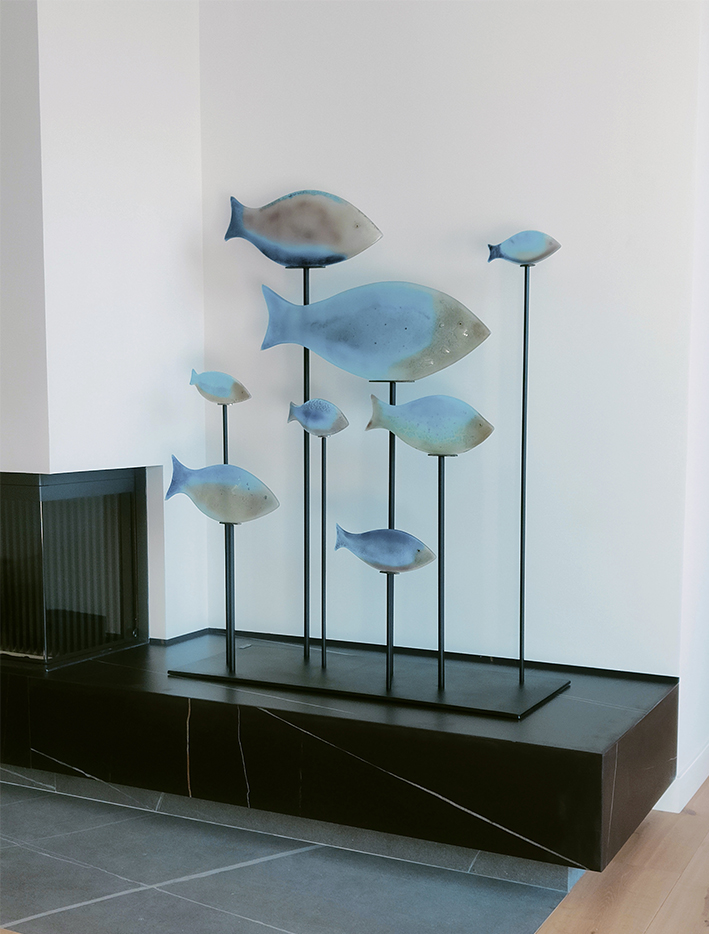
The fish collection consists of different unique pieces. The formats are as wide as your imagination. From a wall mural to a sculptural set. From a glass pedestal to an iron pedestal. From small fish to very large fish. If you are interested in having a fish on the wall, on the shelf, on the table, or in the garden, please contact me

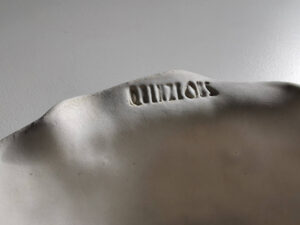
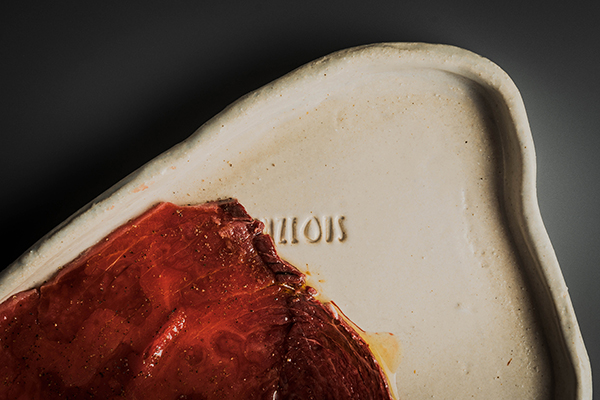
Detalle de las piezas de cerámica para el Restaurante Quinze Ous.

Detalle de las piezas de cerámica creadas para el Restaurant Malaespina Barra Japonesa.

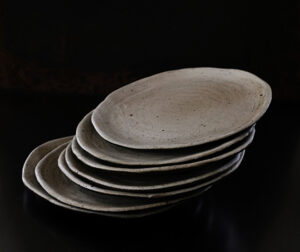
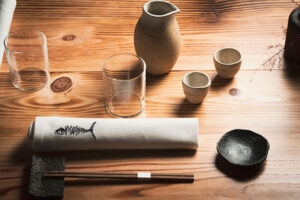
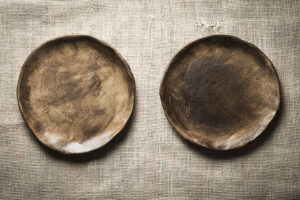
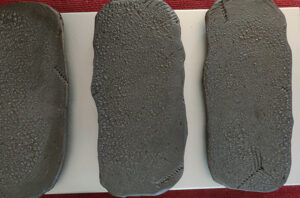
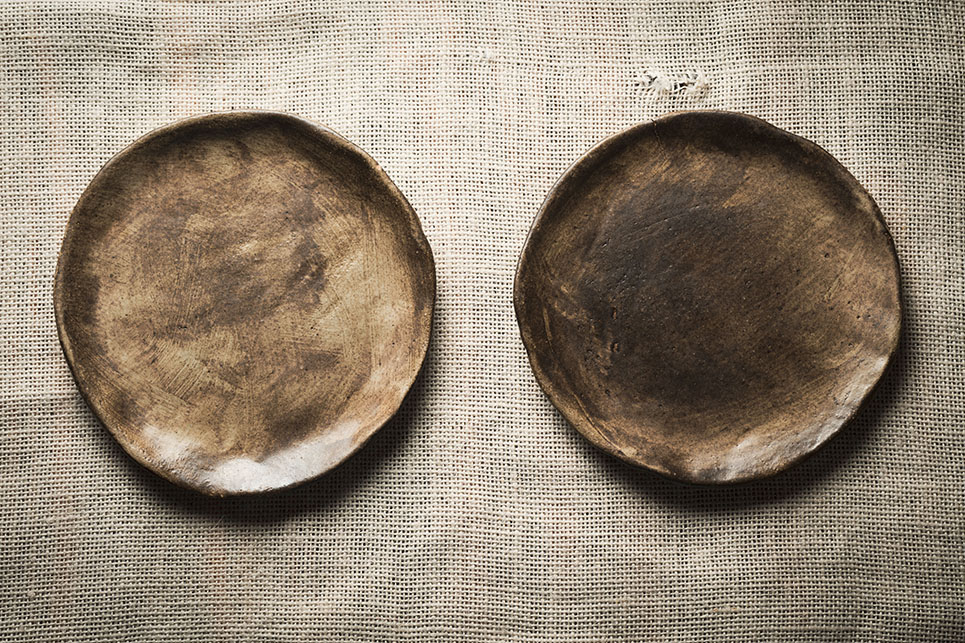
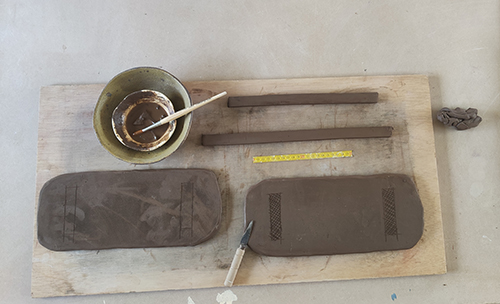
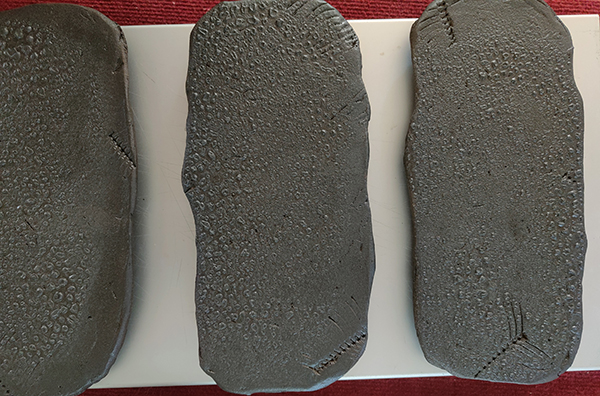
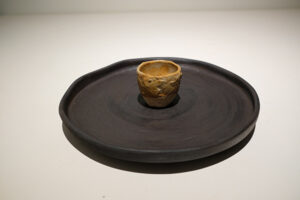
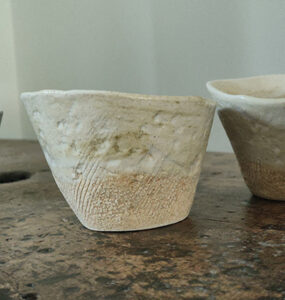
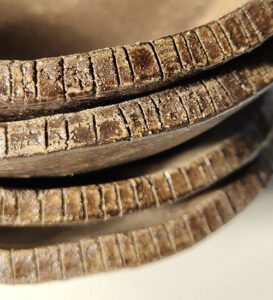
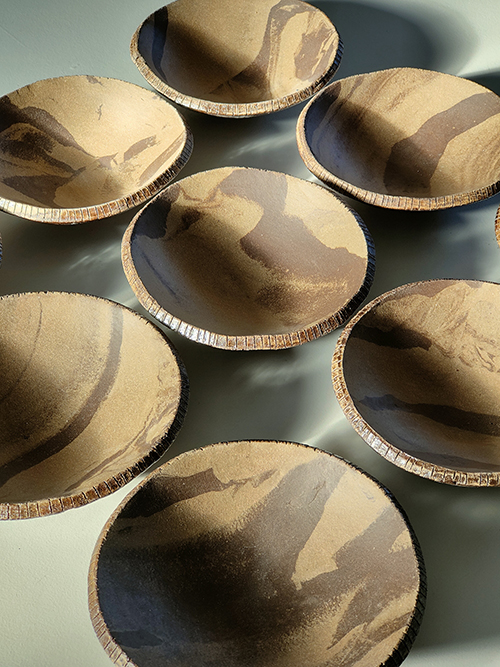
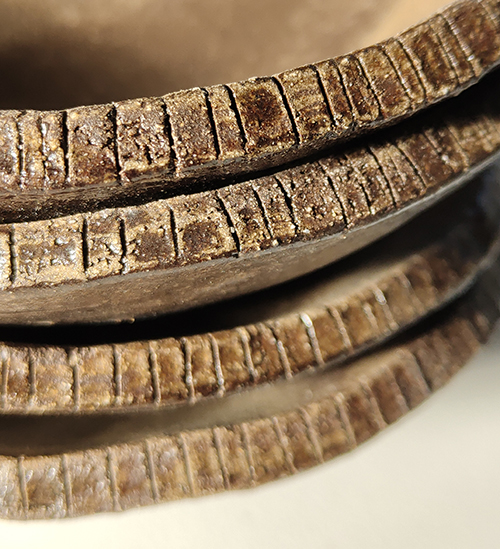
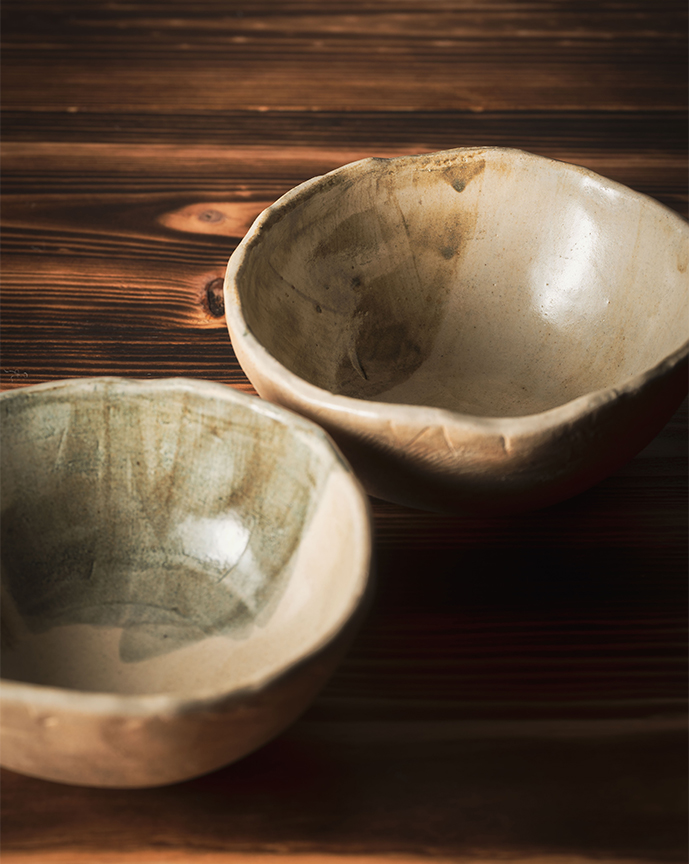
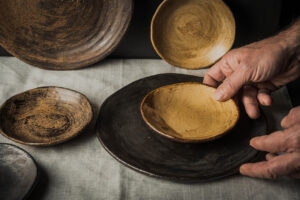
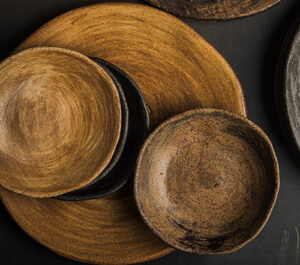
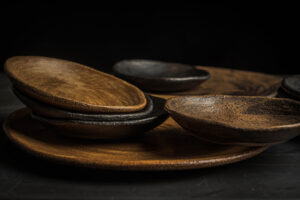
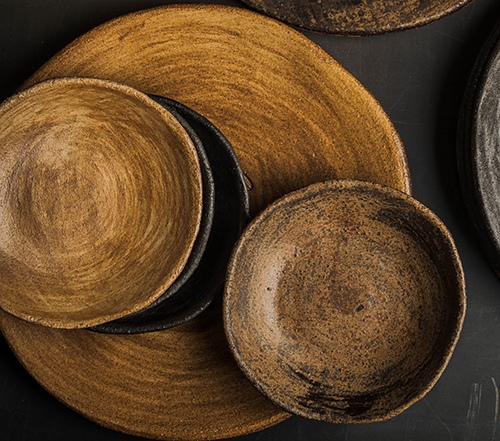
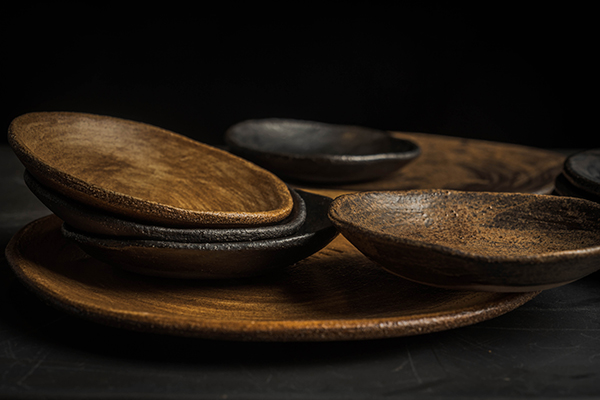
Vajilla de cerámica kilómetro cero, hecha con tierras volcánicas de la zona.

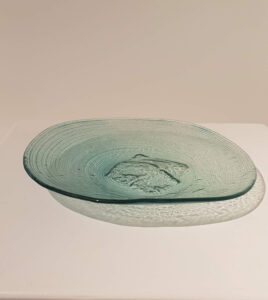
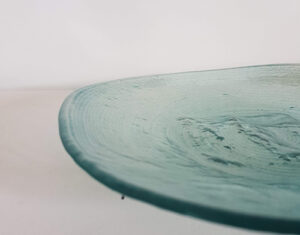
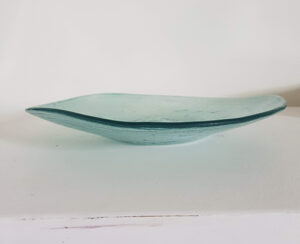
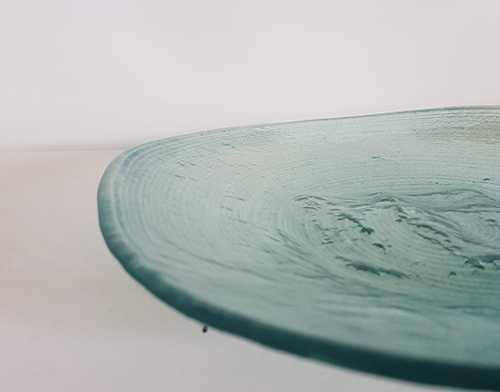
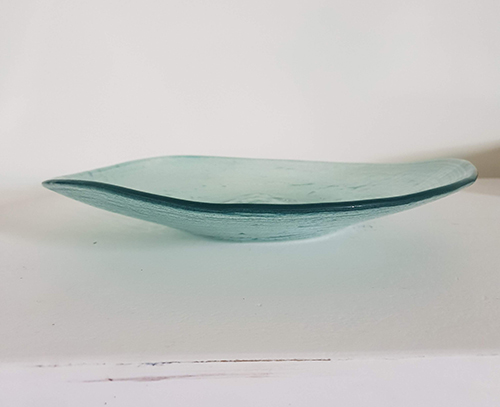
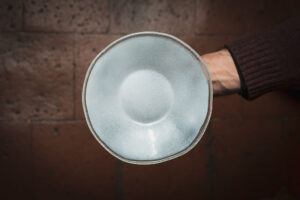
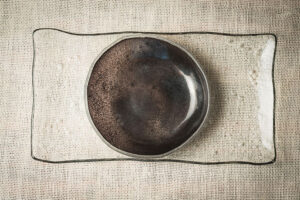
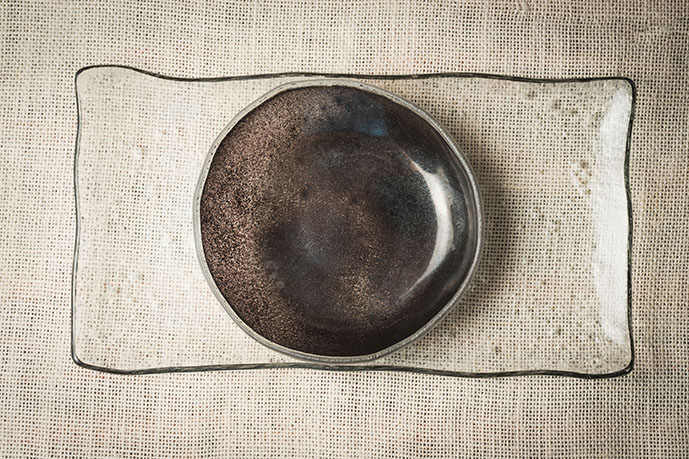
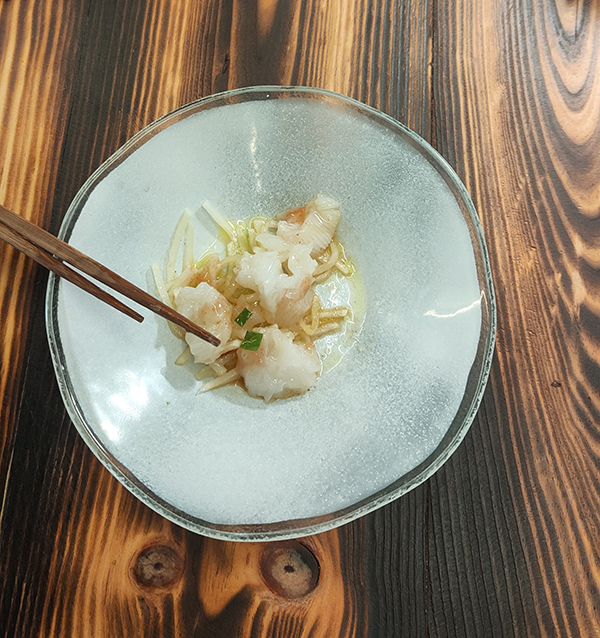
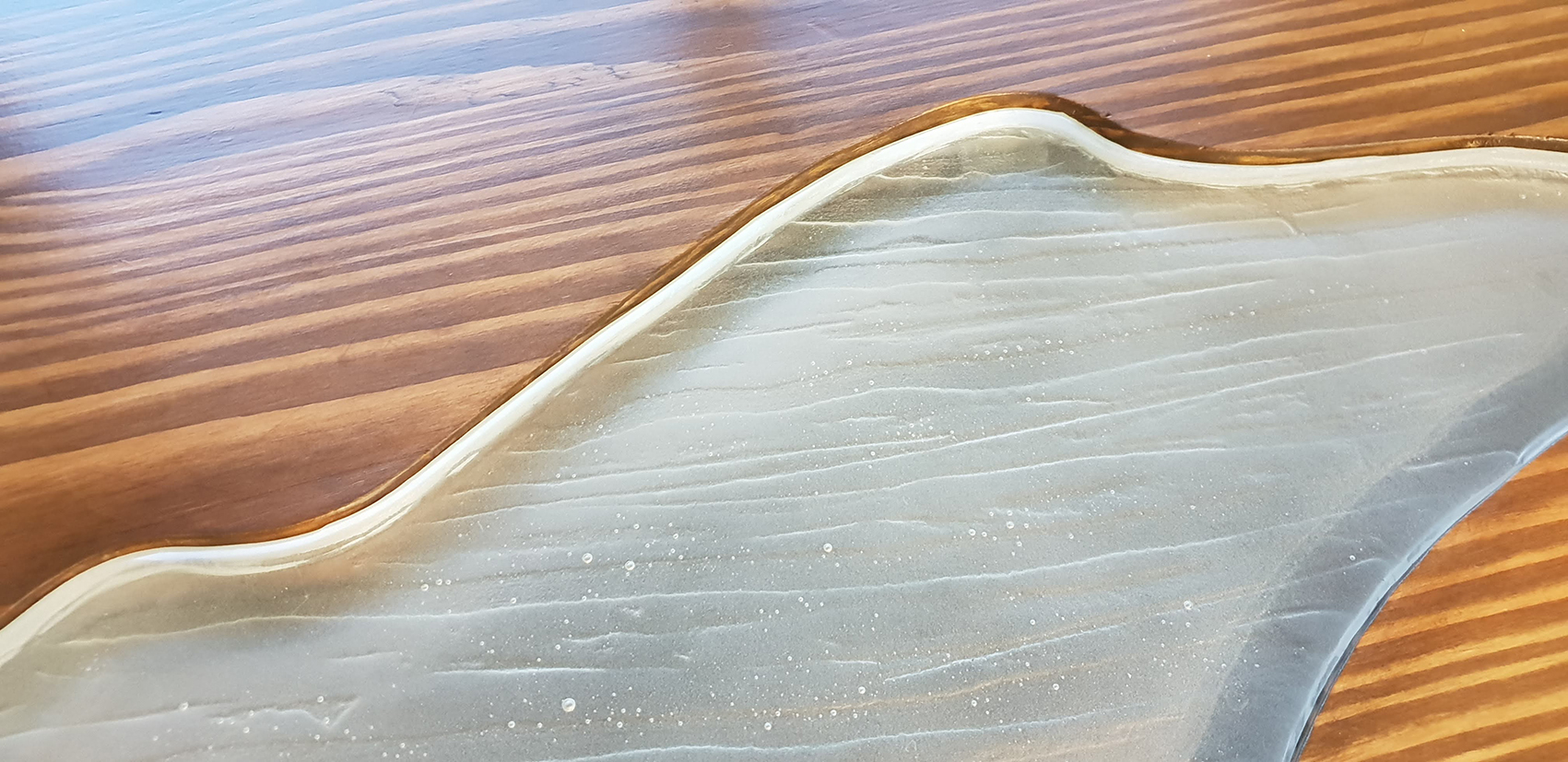
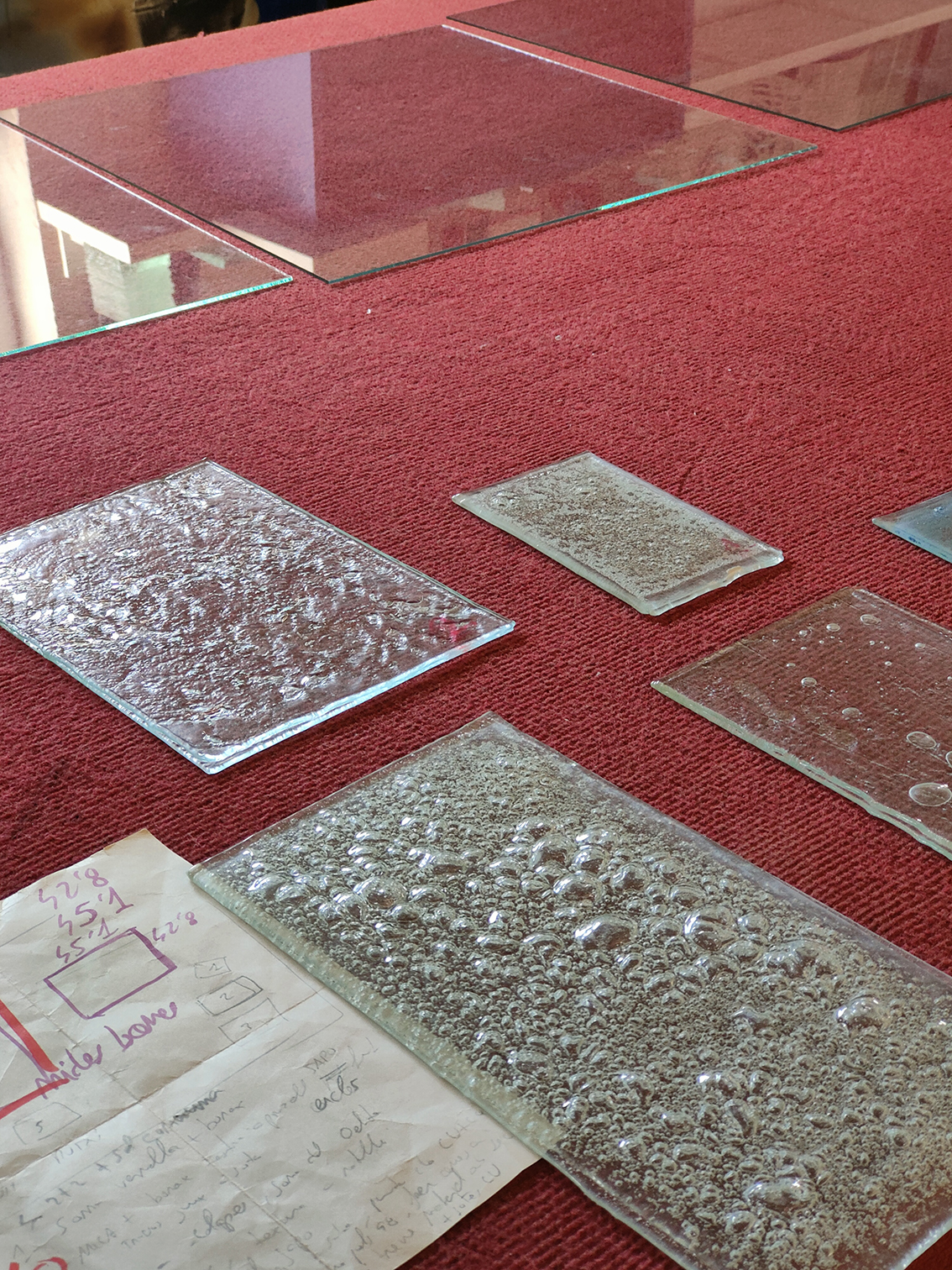
Plato de vidrio trabajado con textura y sobre molde irregular.

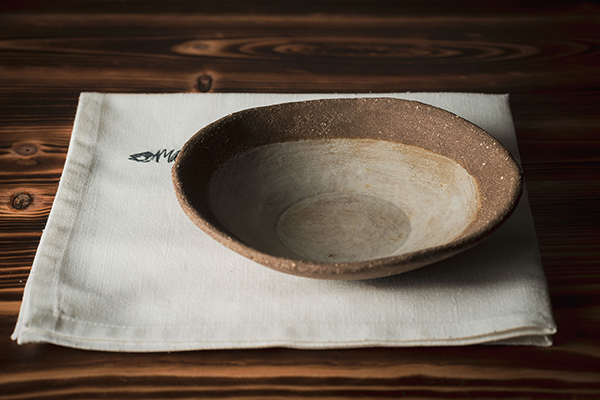
Boles de arcilla volcànica para el Restaurante Malespina Barra Japonesa

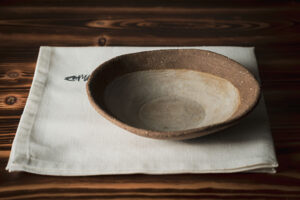
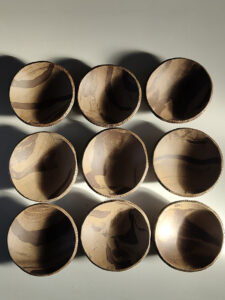
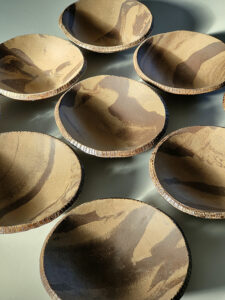
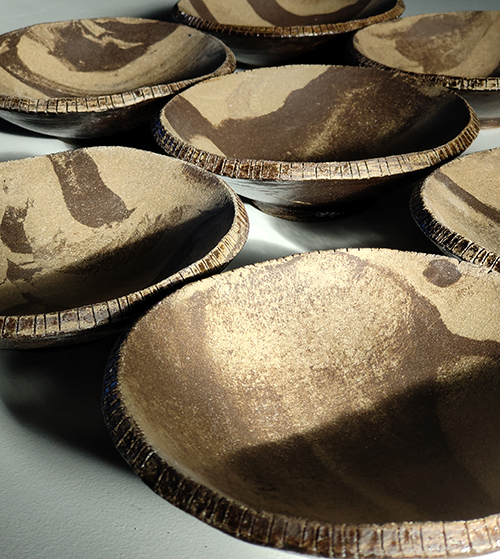
Boles de ceràmica hechos con mezcla de arcillas volcànicas con la técnica del Neriage para el Restaurante Equilibri.

Boles de ceràmica con esmaltes del territorio diseñados y producidos especialmente para el Restaurante Malespina Barra Japonesa

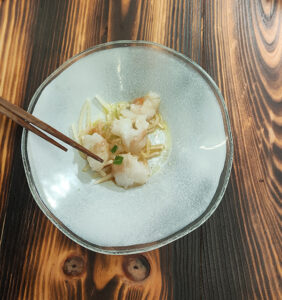
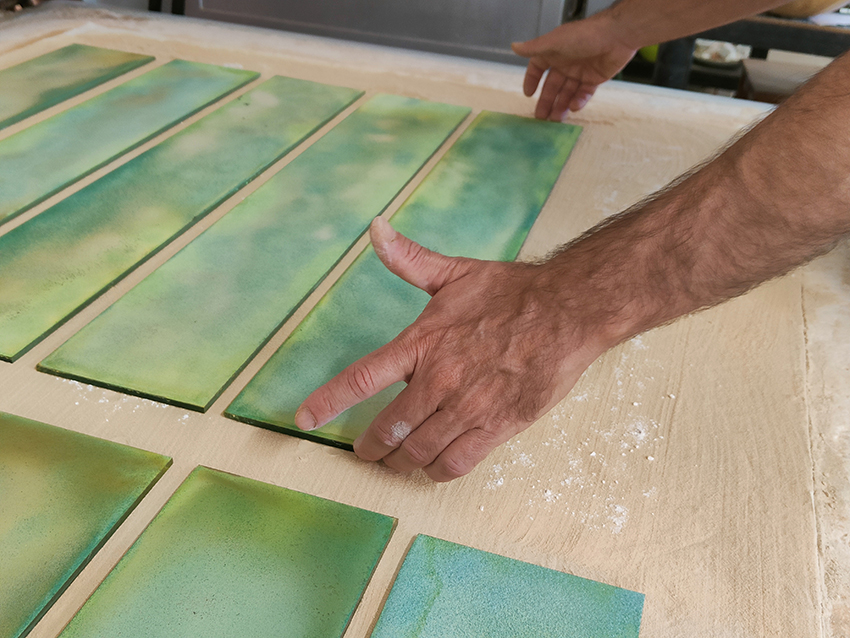
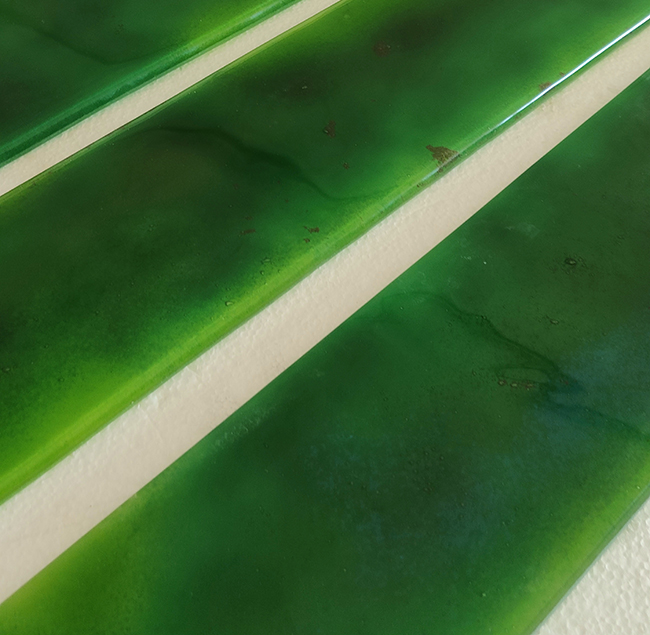
Piezas de vidrio especialmente diseñadas para el Restaurante Malespina Barra Japonesa.

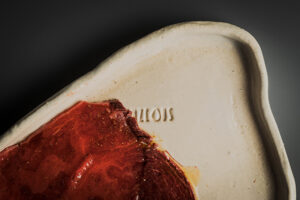
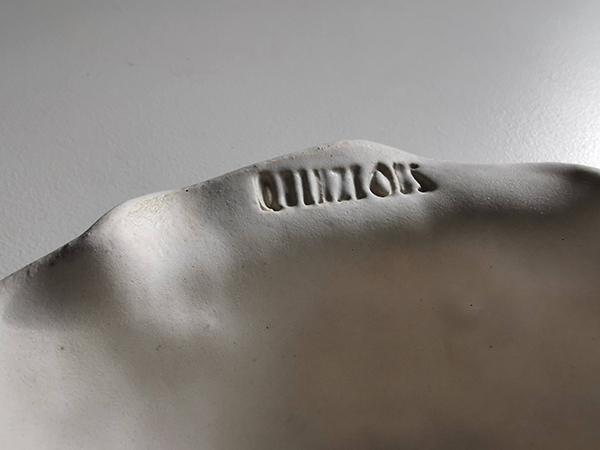
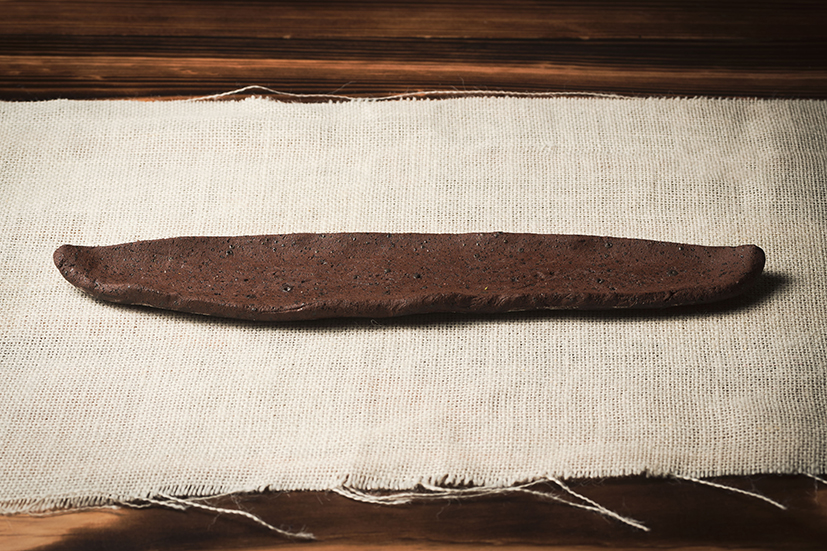
Proyecto integral de vajilla de cerámica para el Restaurante Quinze Ous. Mezcla de arcillas volcánicas locales. Los esmaltes también contienen tierras de la zona. Modeladas a mano y con el logo del establecimiento.

Details of the ceramic pieces for the Quinze Ous Restaurant.

Details of the ceramic pieces created for the Malaespina Japanese Bar Restaurant.

Local ceramic tableware made with volcanic clay from the area.

Glass plate worked with texture and irregular mold.

Volcanic clay bowls for the Malespina Japanese Bar Restaurant

Ceramic bowls made with a mixture of volcanic clays using the Neriage technique for the Equilibri Restaurant

Ceramic bowls with glazes from the region designed and produced especially for Malespina Japanese Bar Restaurant.

Glass pieces specially designed for the Malespina Japanese Bar Restaurant.

Comprehensive ceramic tableware project for the Restaurant Quinze Ous. A blend of local volcanic clays. The glazes also contain local soils. Handcrafted and with the establishment's logo.

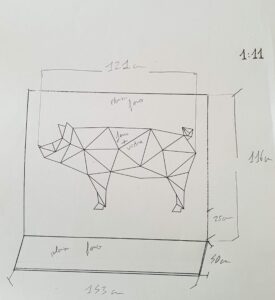
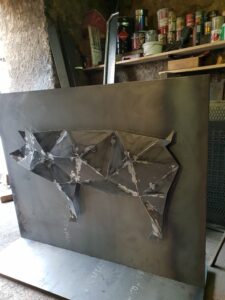
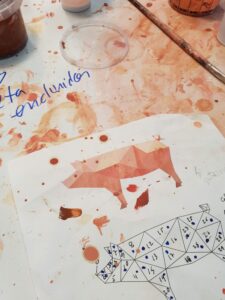
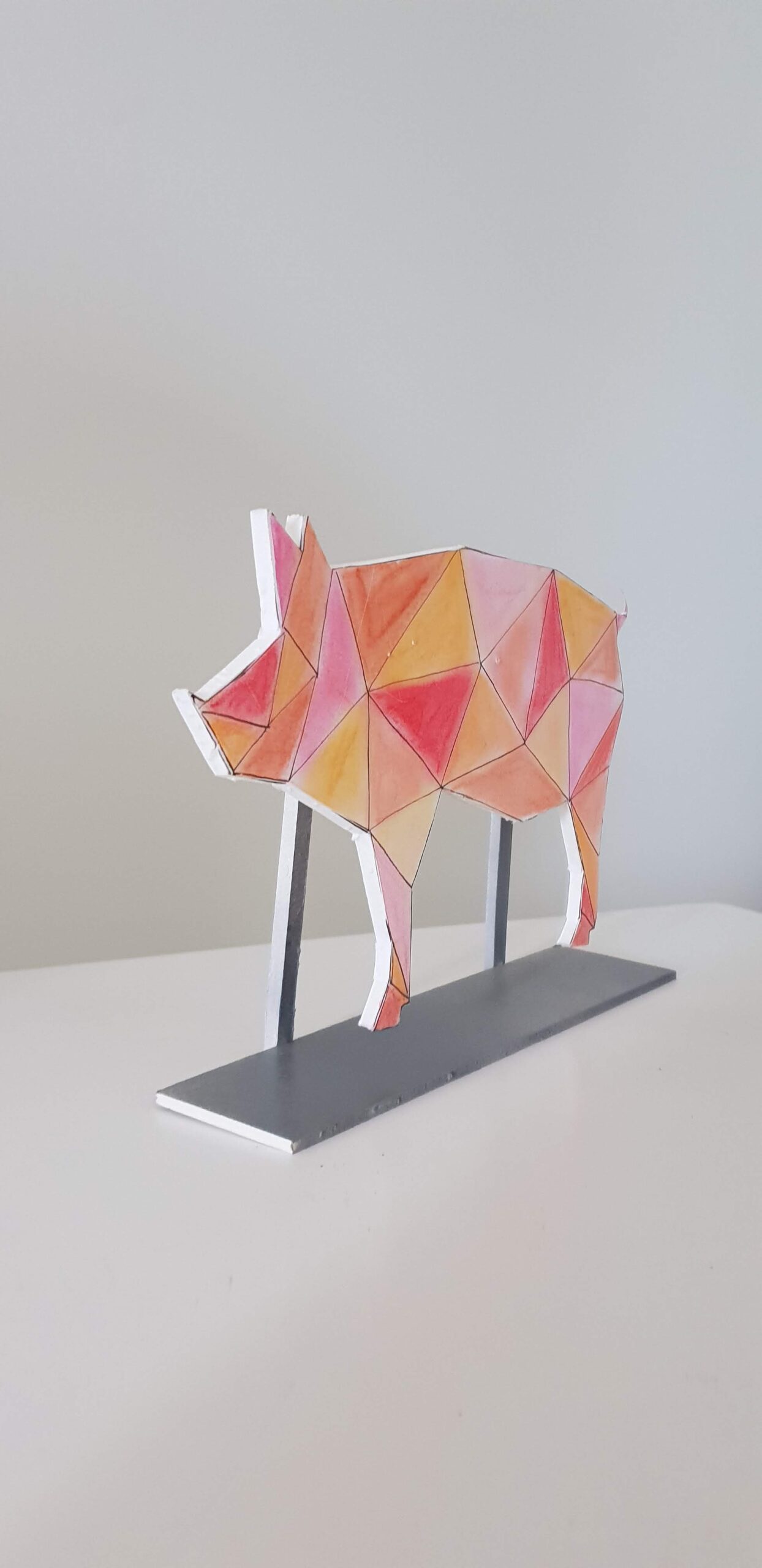
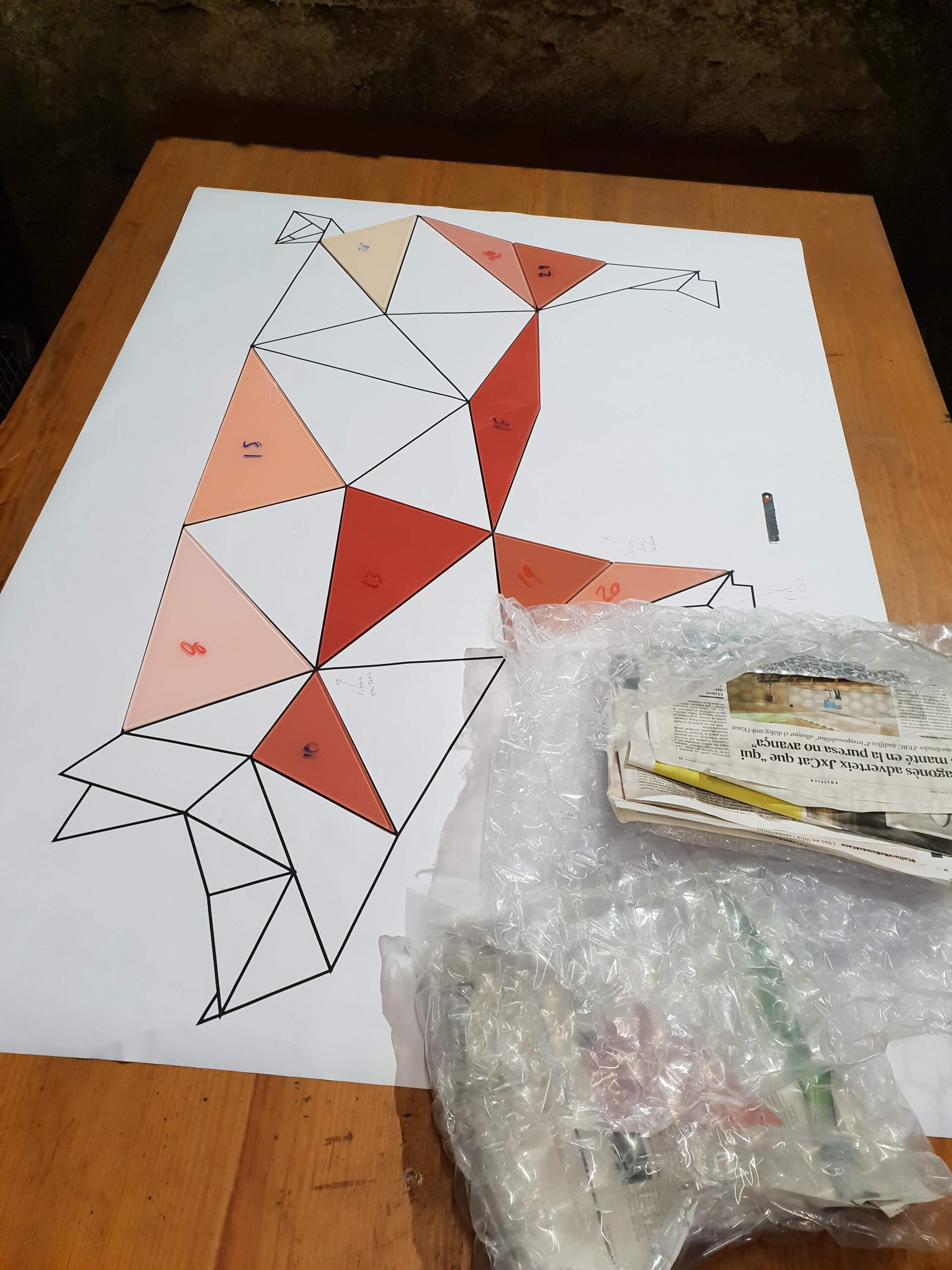
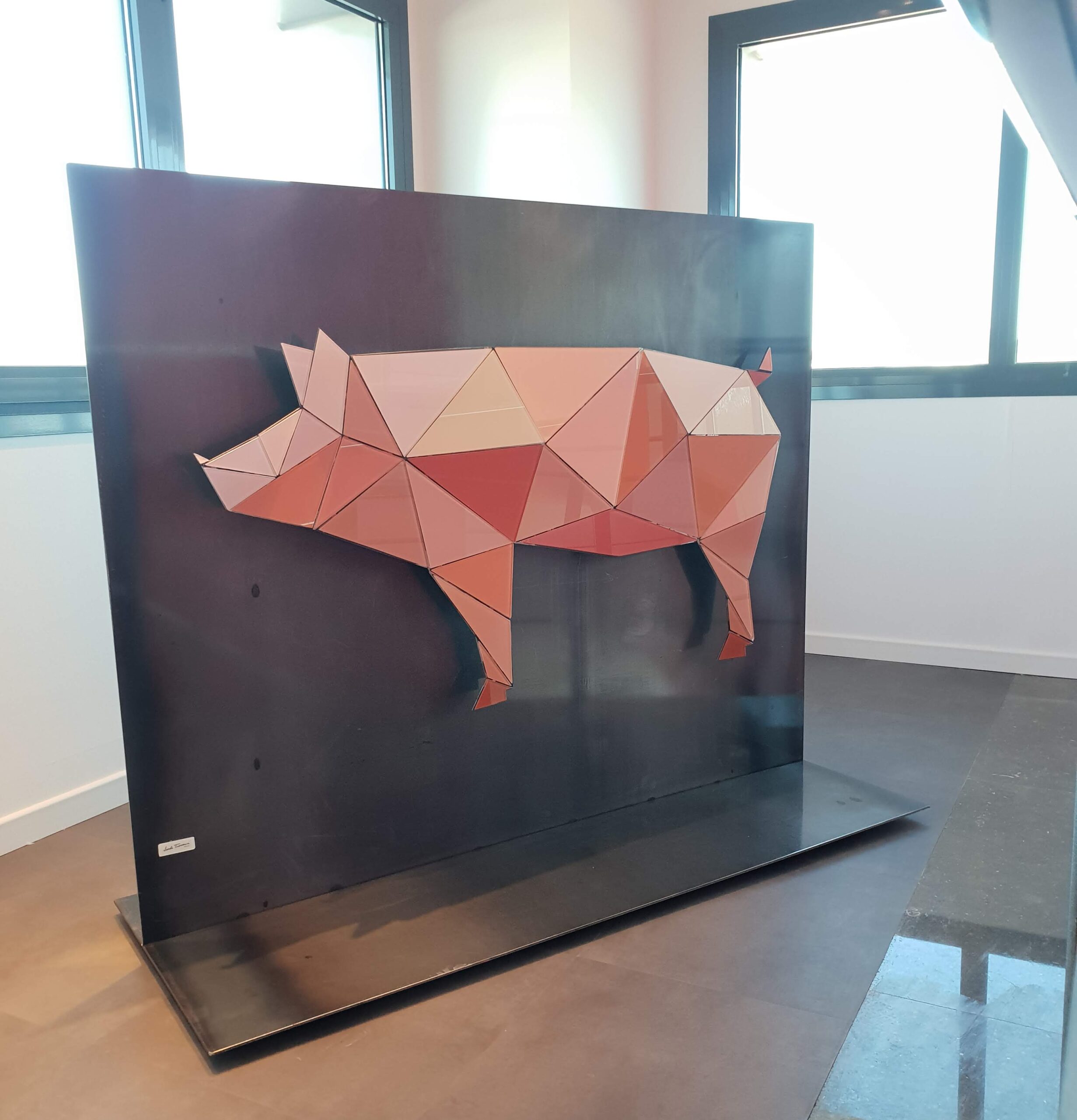
Escultura de hierro y vidrio creada a partir del logotipo de la empresa.

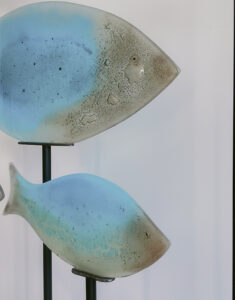
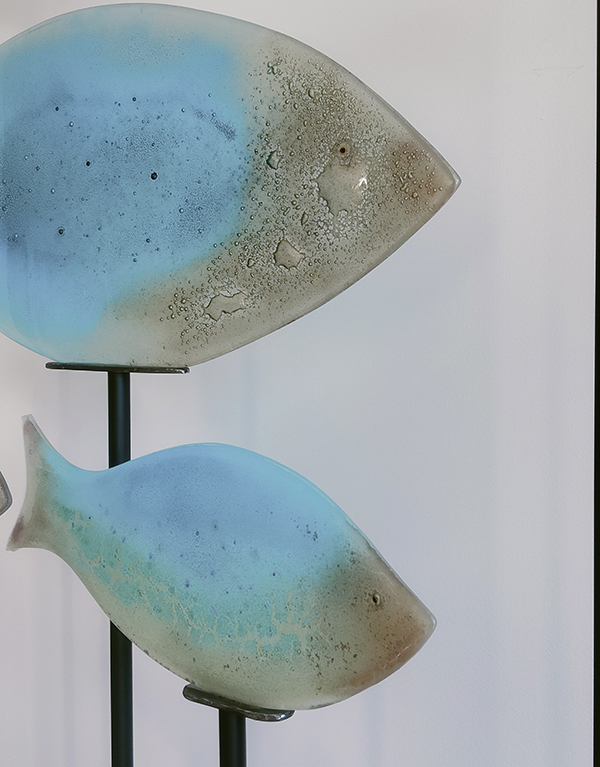
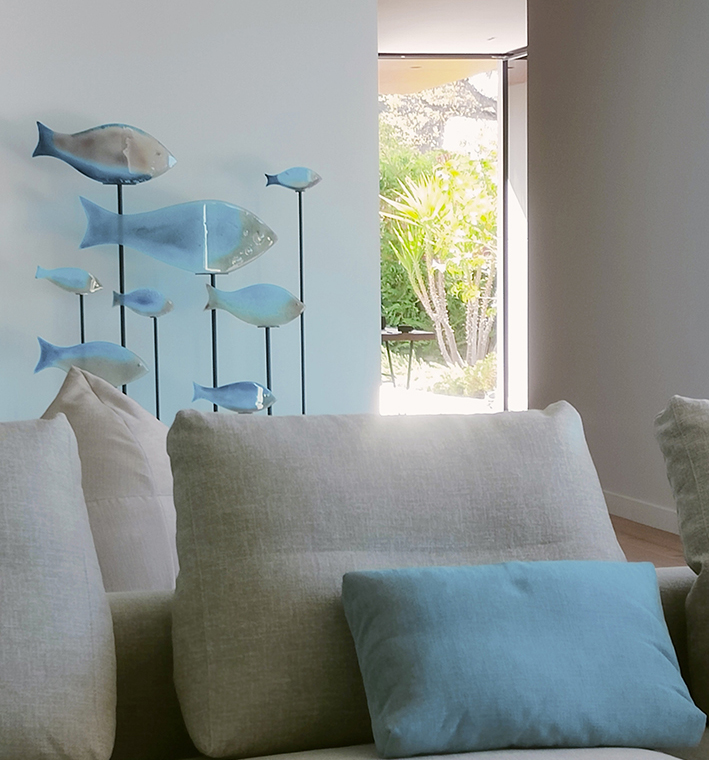
Escultura de peces de diferentes medidas creada especialmente para el espacio bajo escalera de la vivienda.

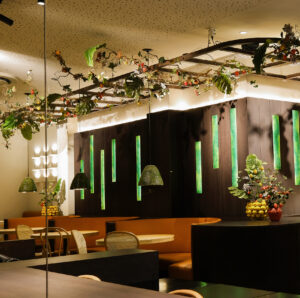
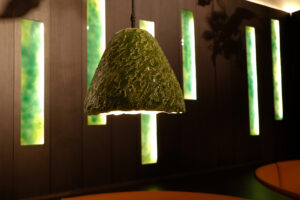
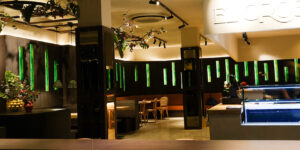
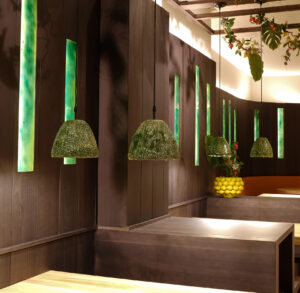
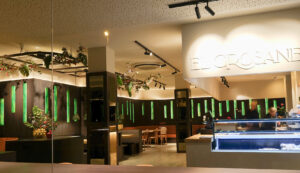
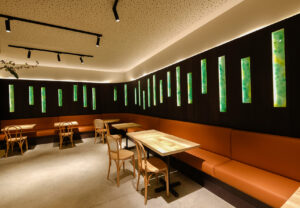
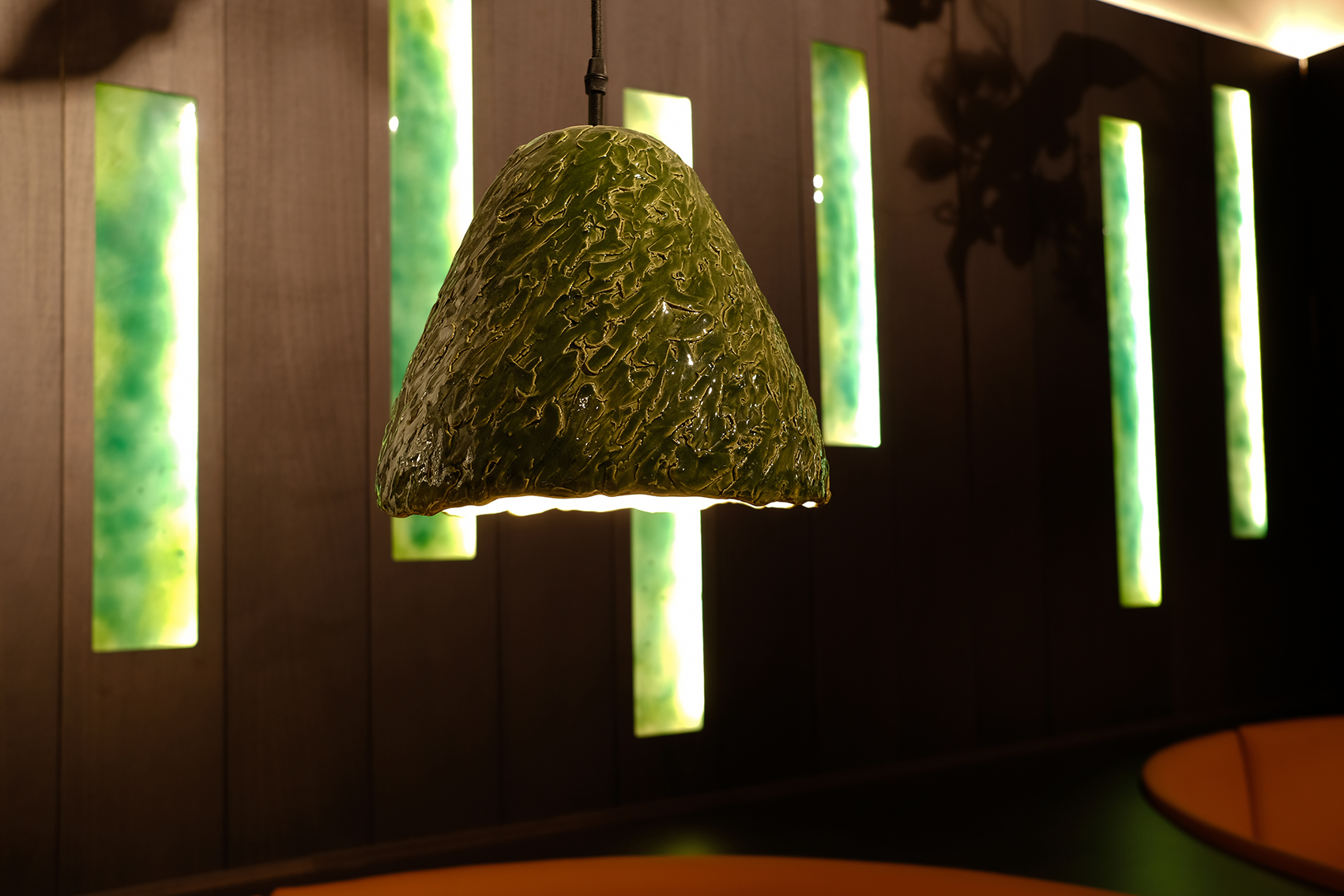
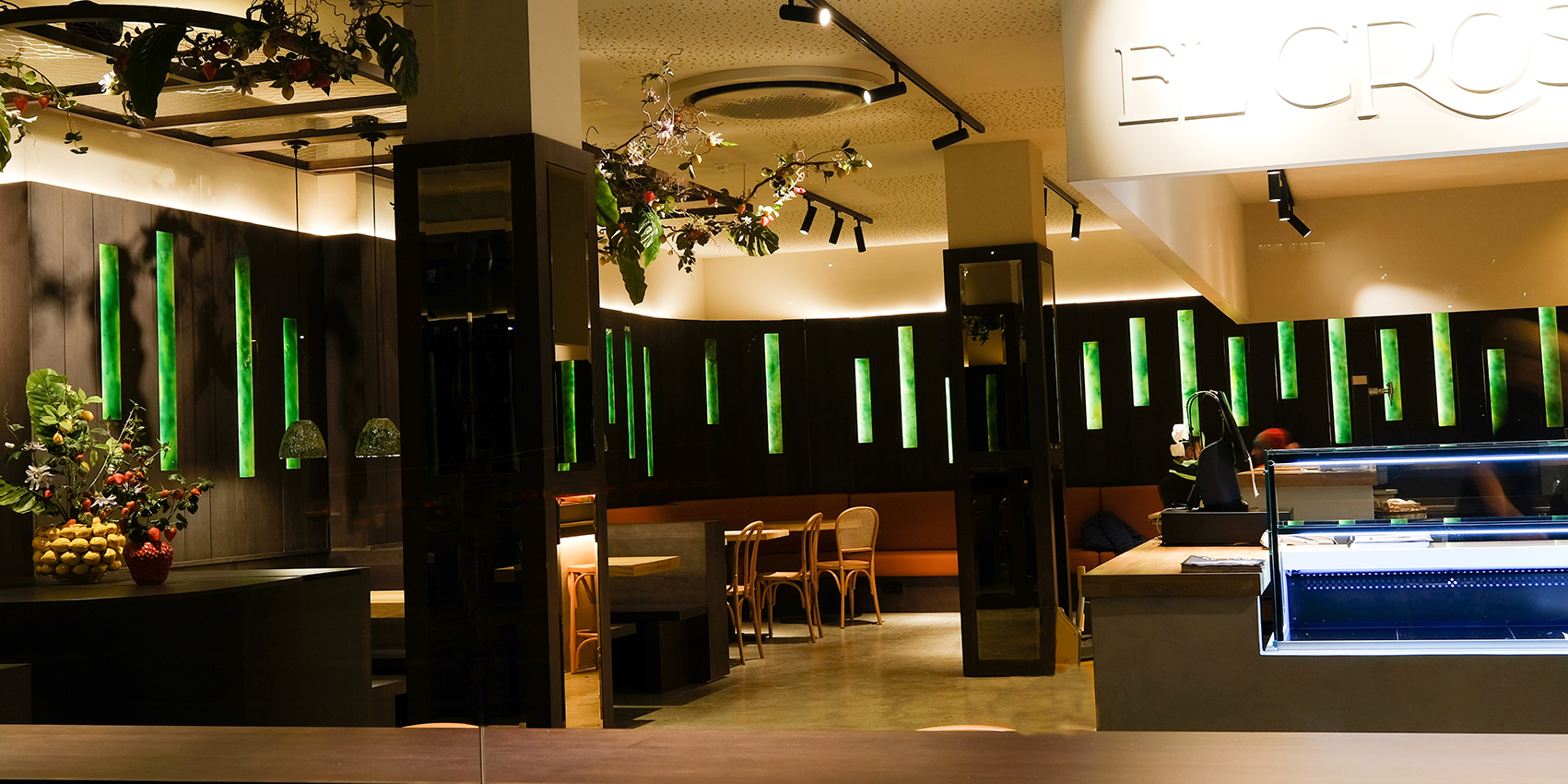
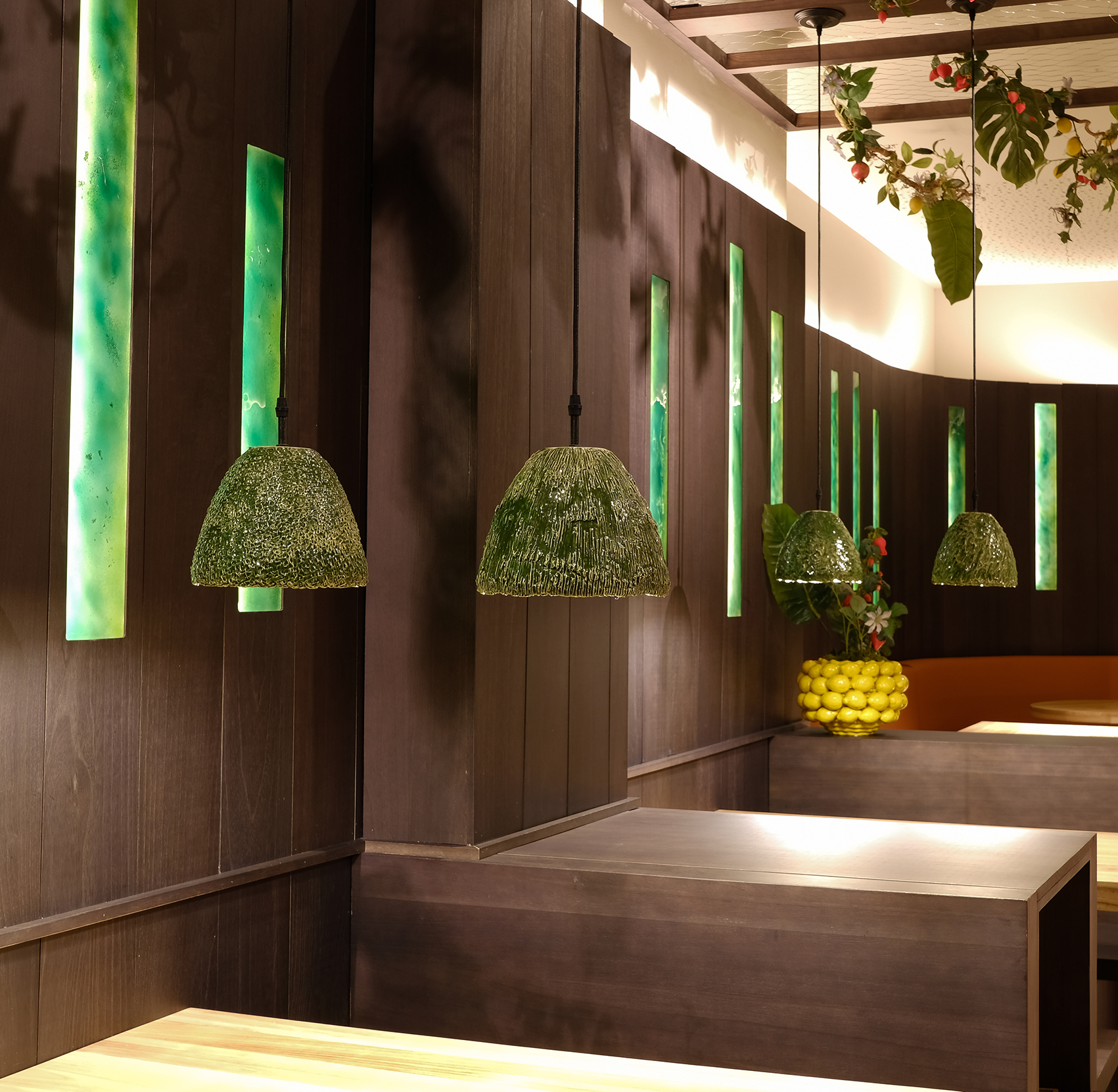
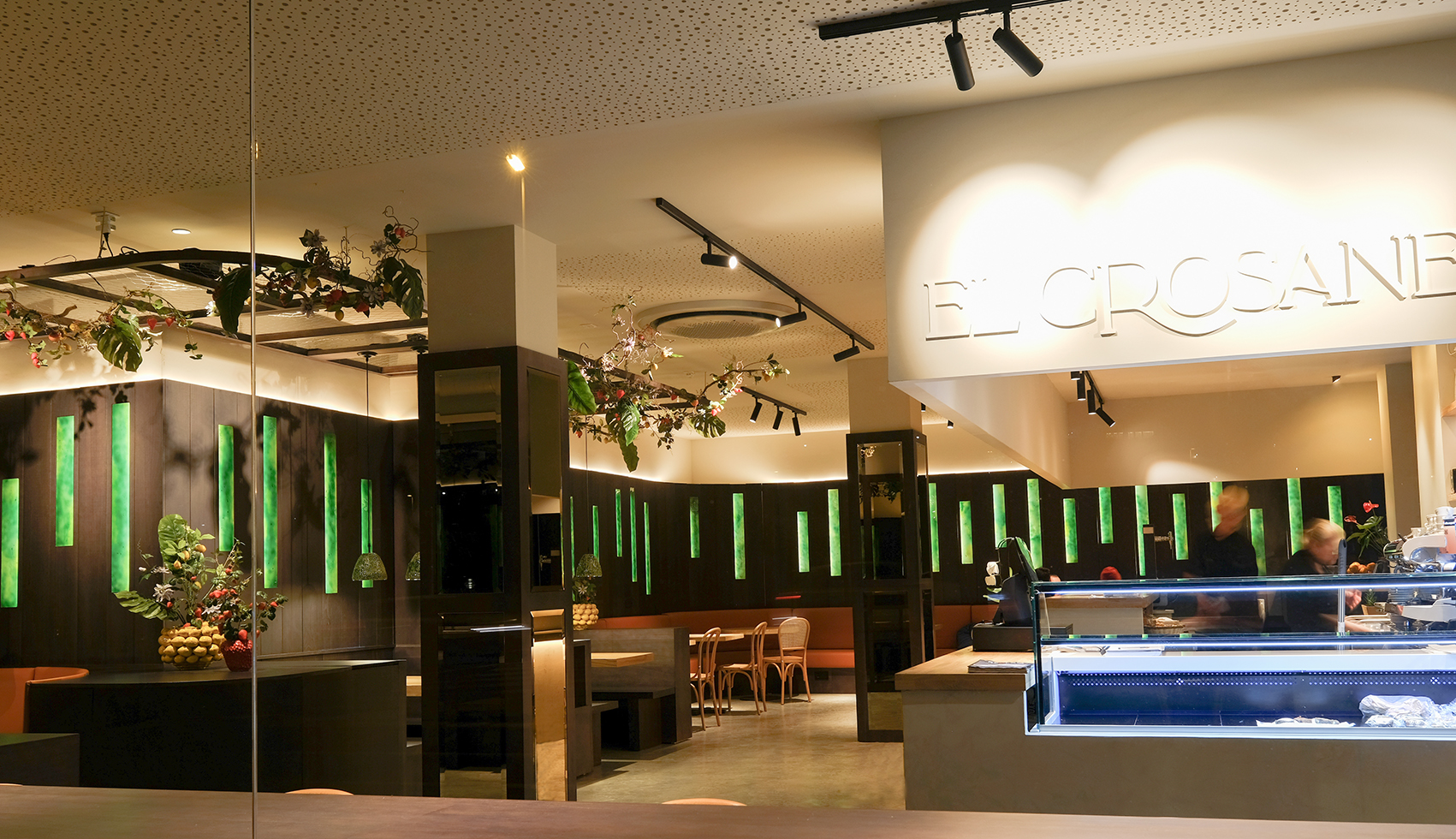
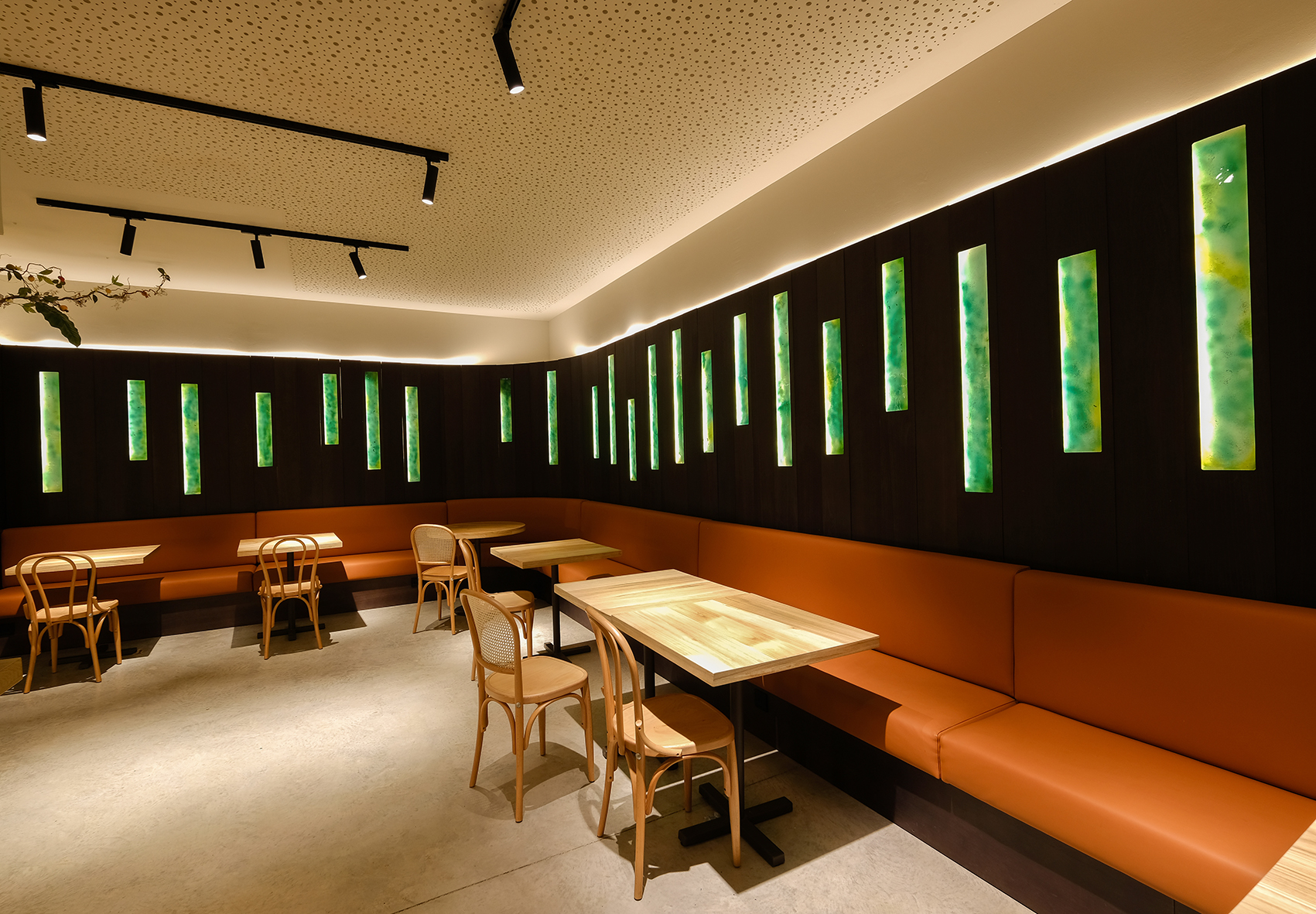
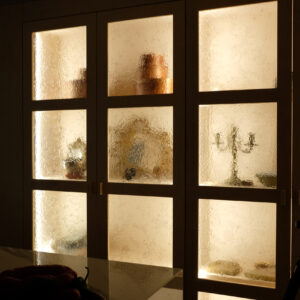
Piezas de vidrio integradas en mueble de madera para dar puntos de luz en el local. Lámparas de cerámica para las mesas.

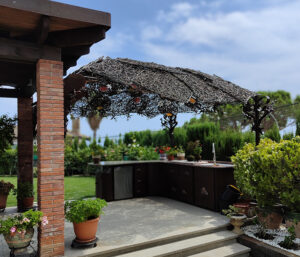
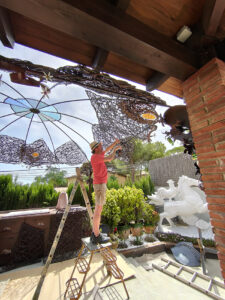
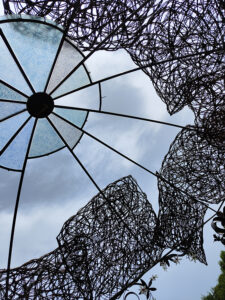
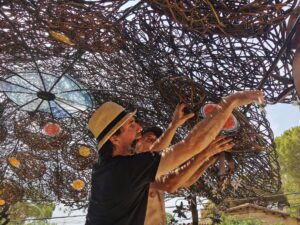
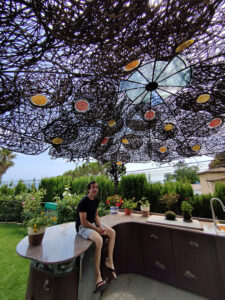
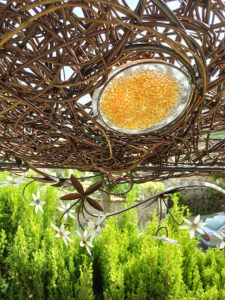
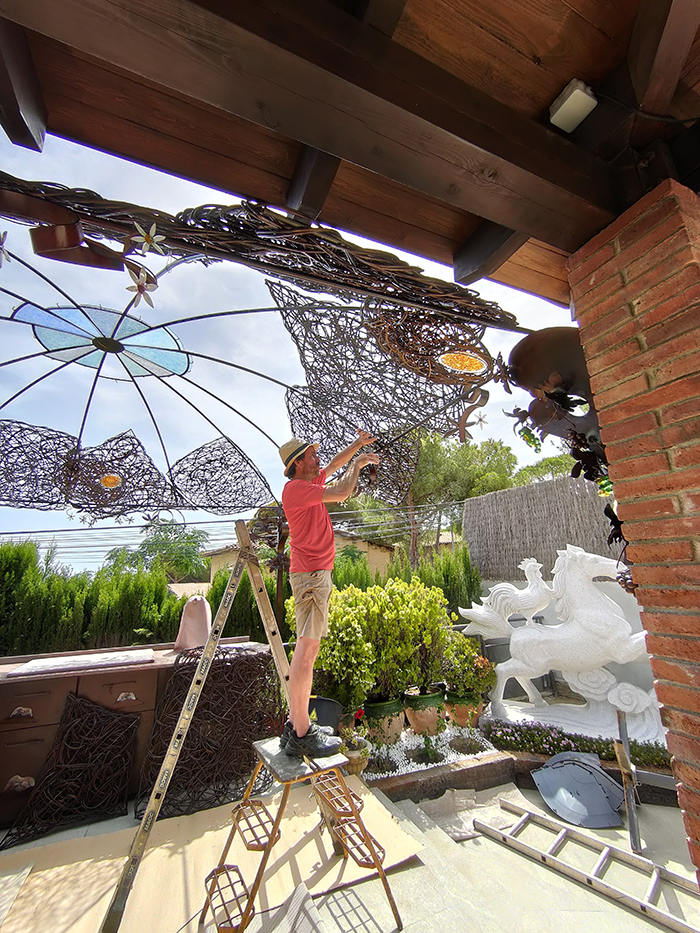
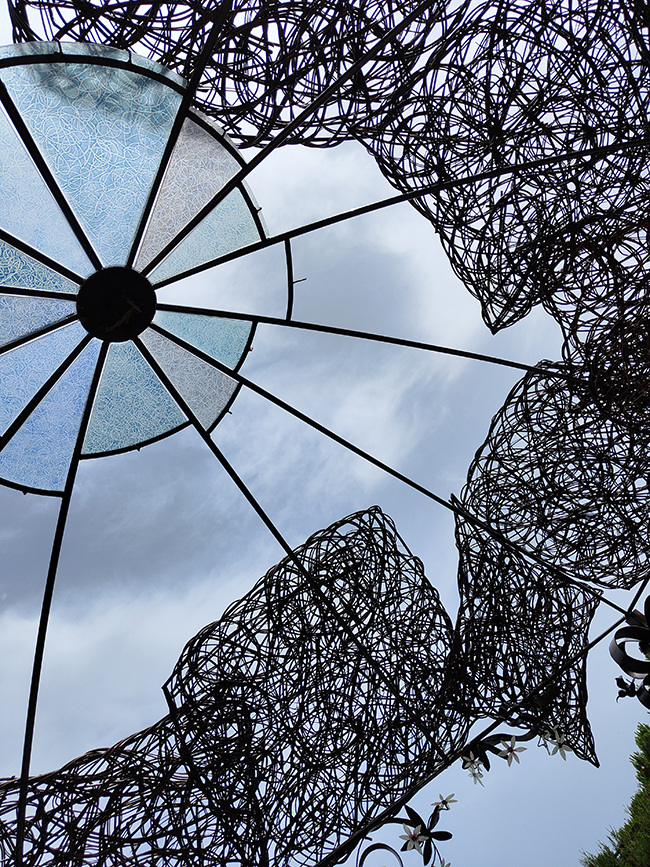
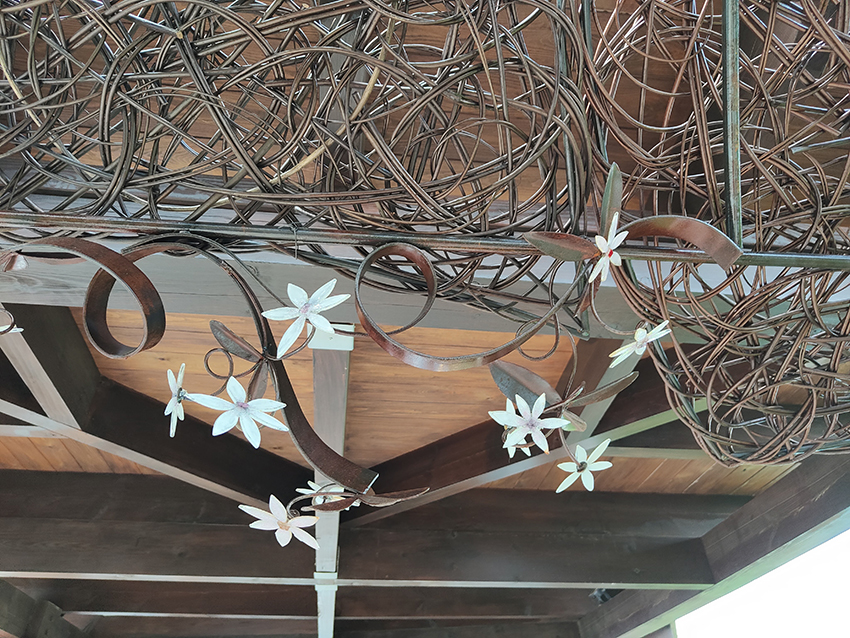
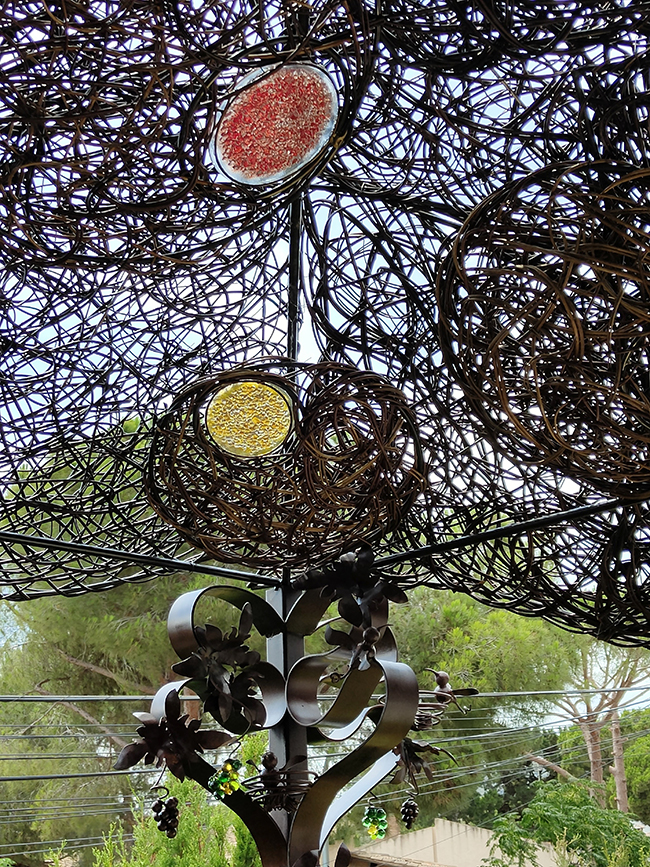
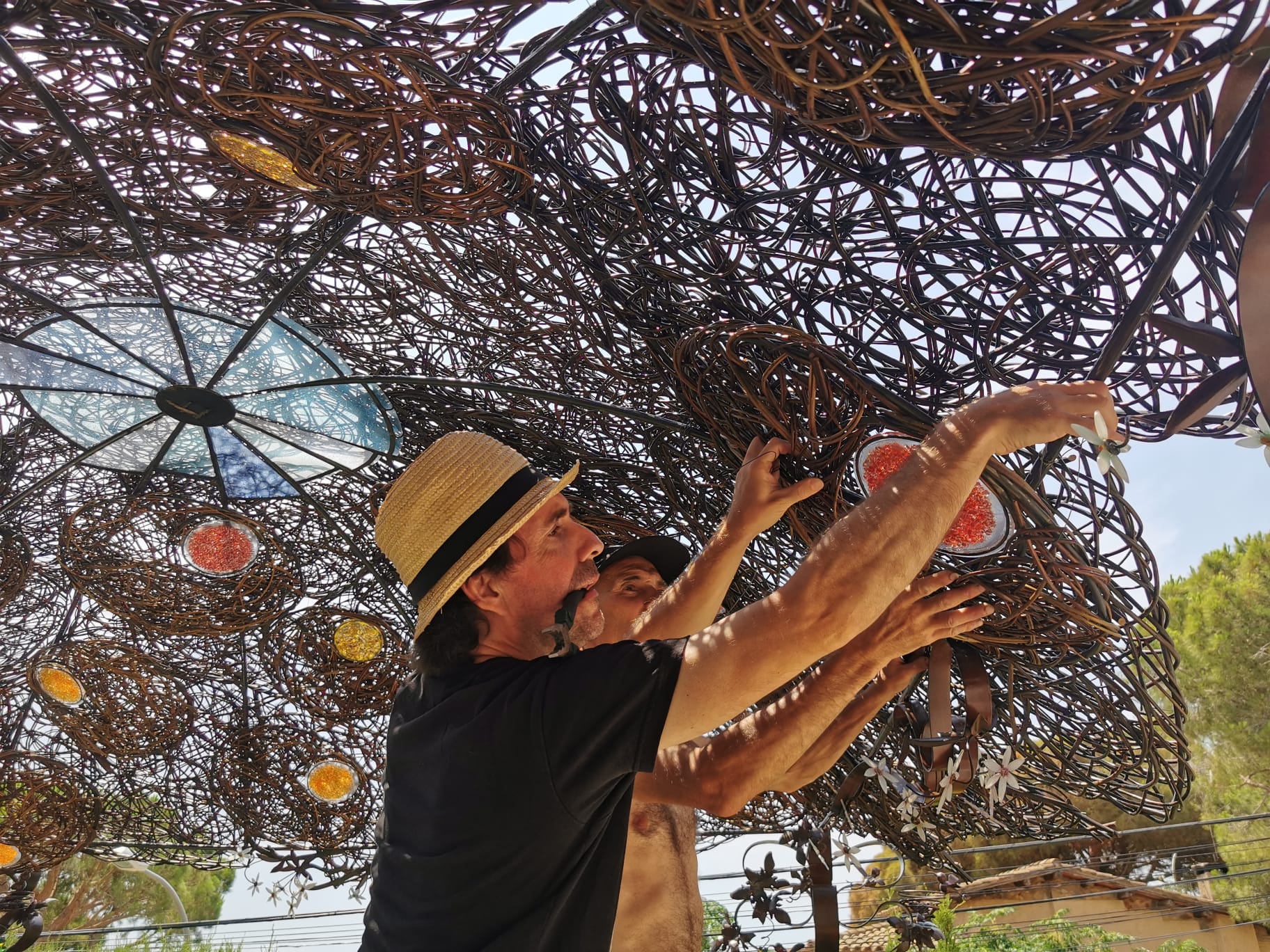
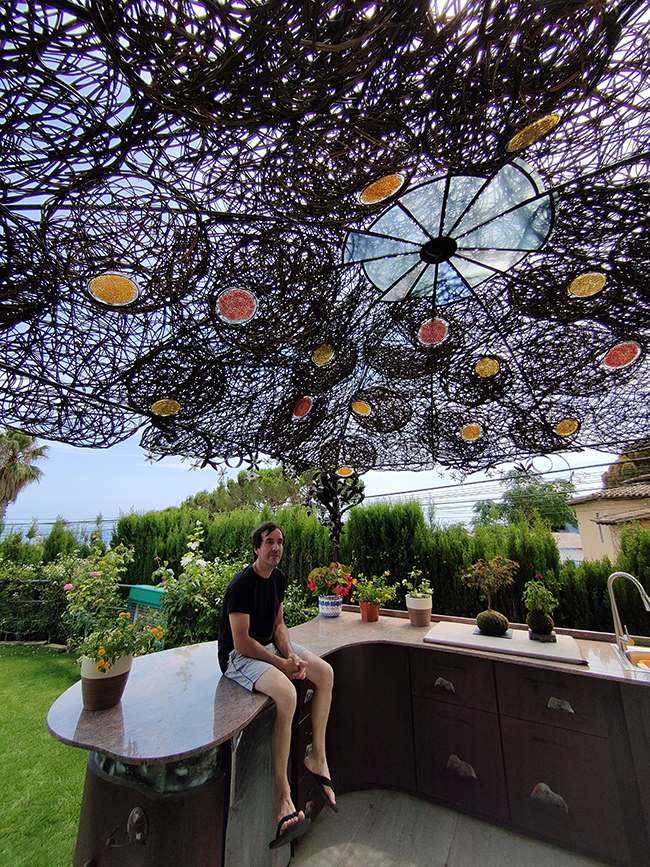
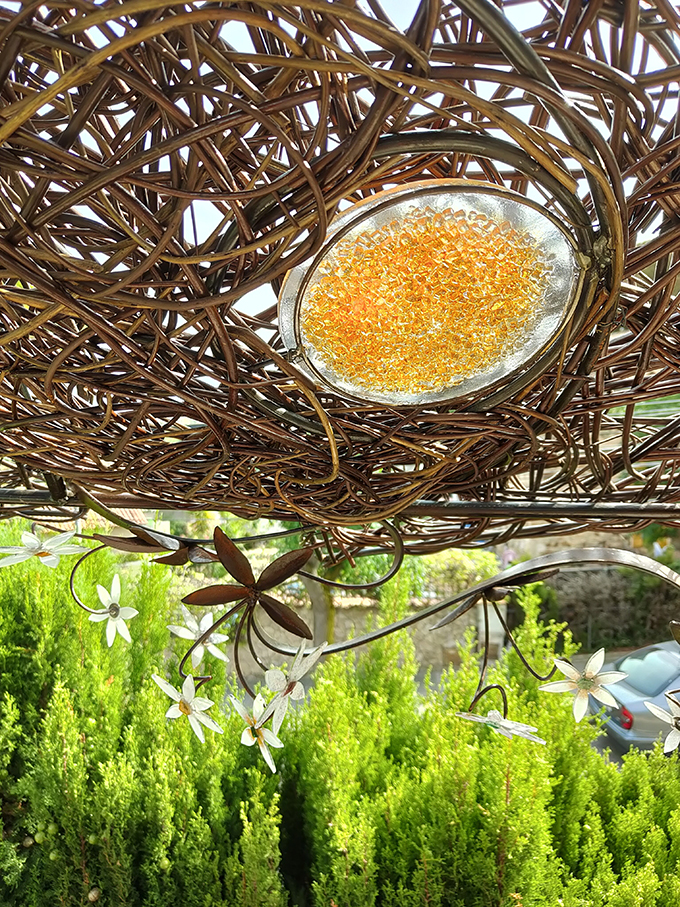
Porche artesanal diseñado y hecho a tres bandas, con estructuras de hierro y mimbre y aplicaciones de vidrio.

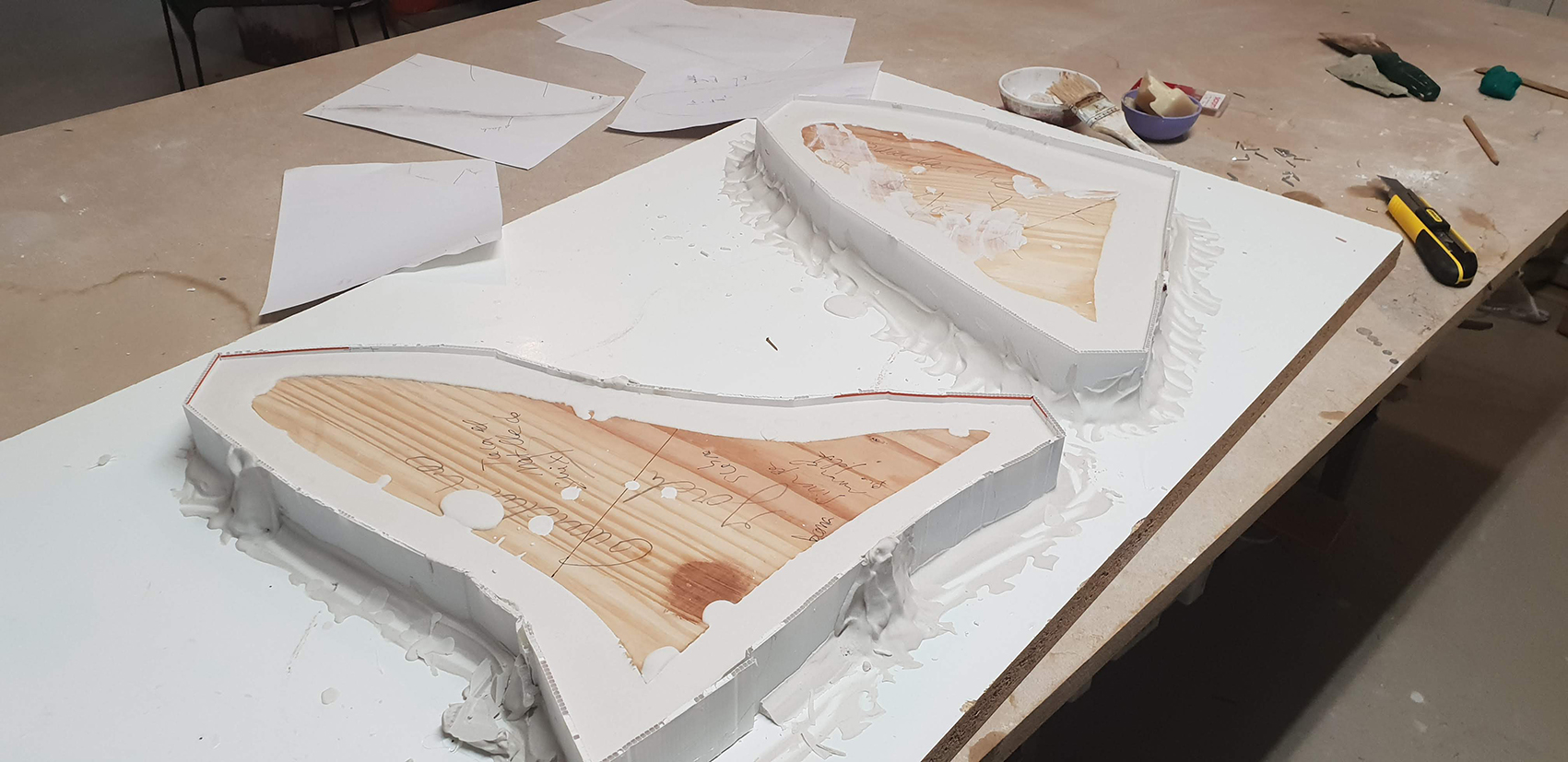
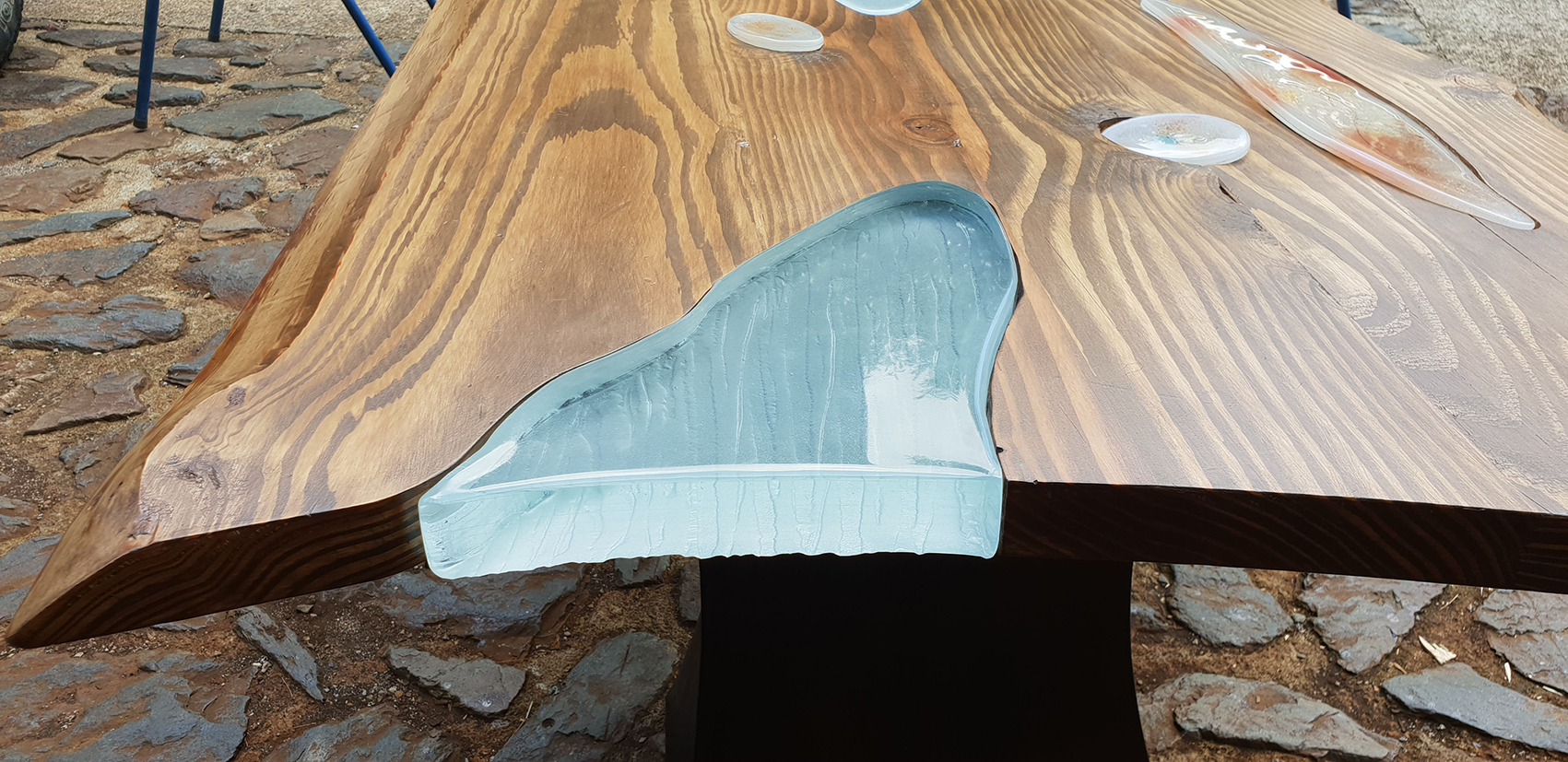
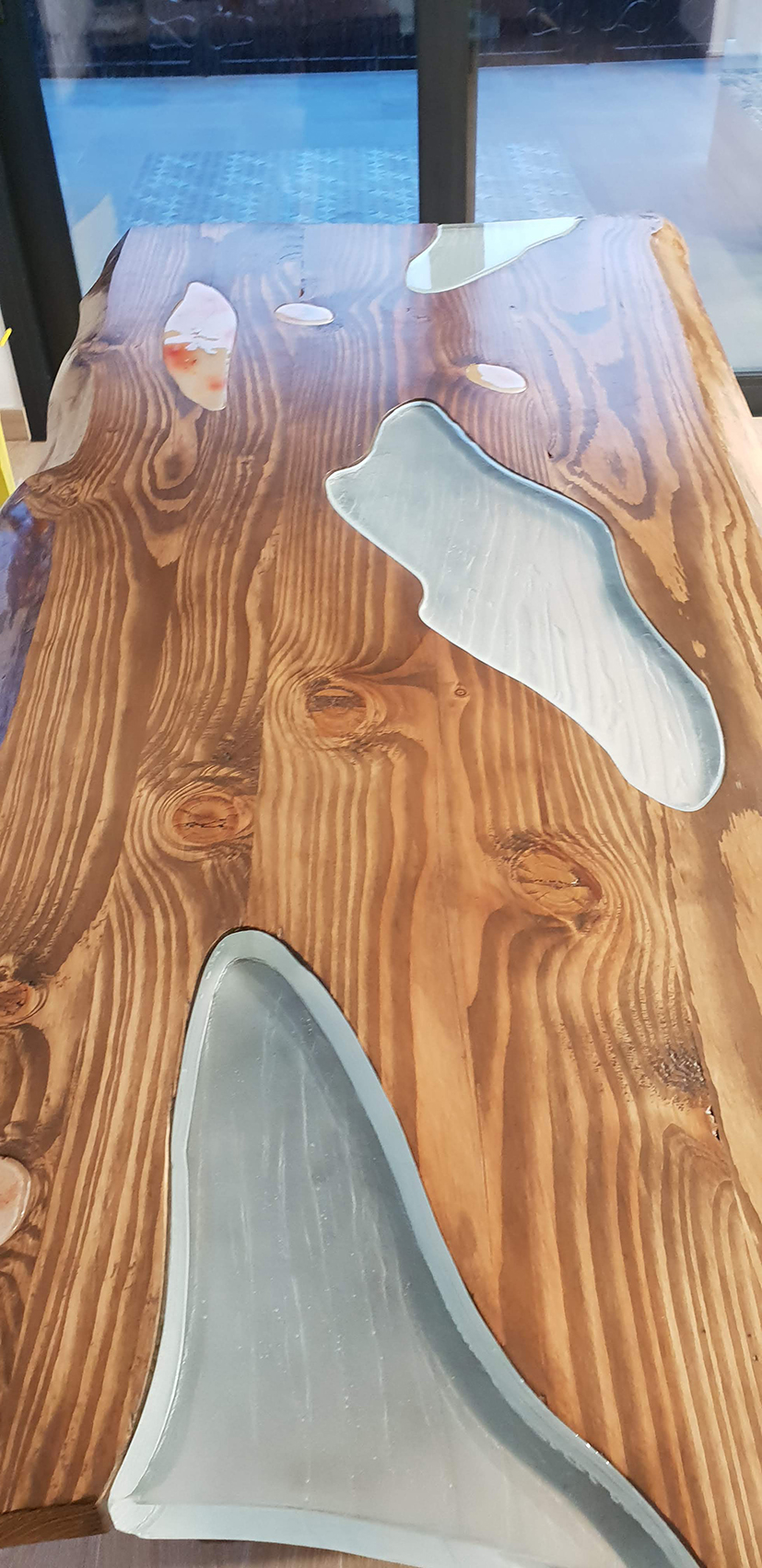
Mesa única hecha a medida con elementos macizos de vidrio creados con la técnica de molde perdido, y un soporte de hierro escultórico artesanal.

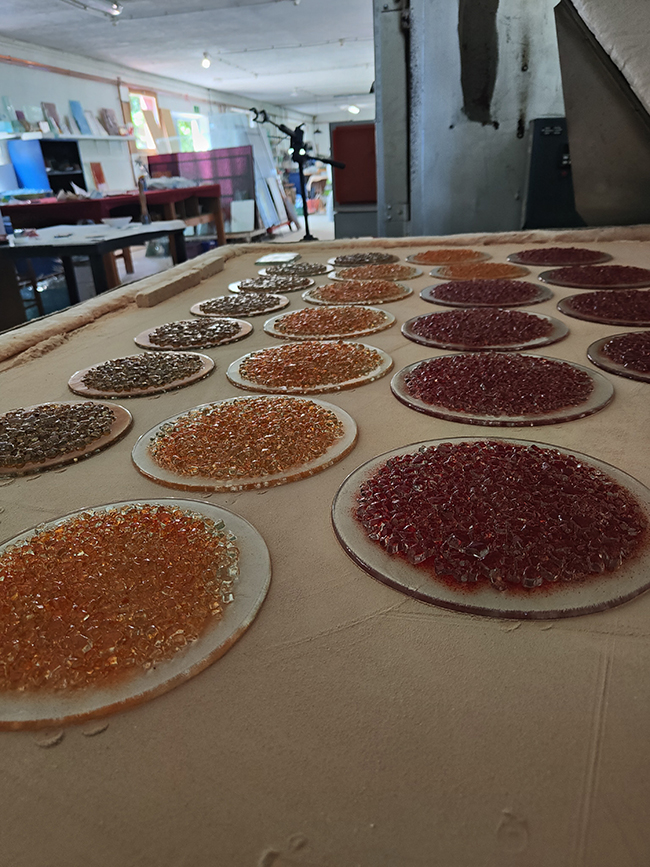
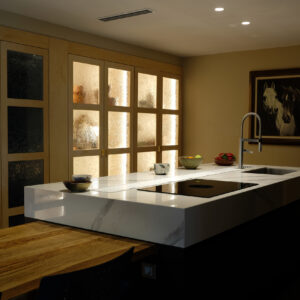
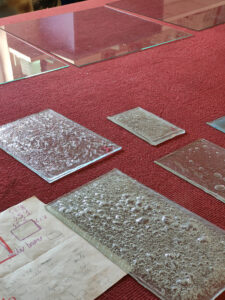
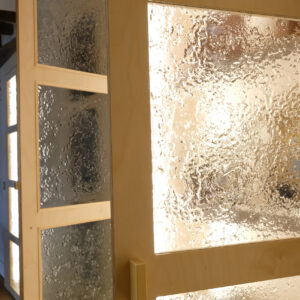
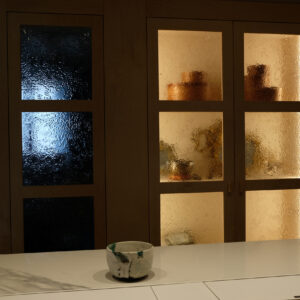
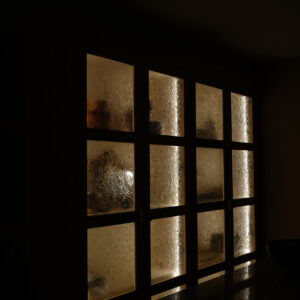
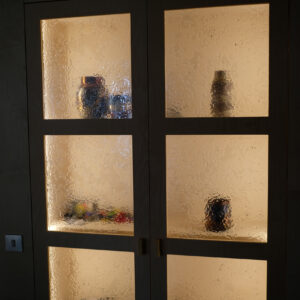
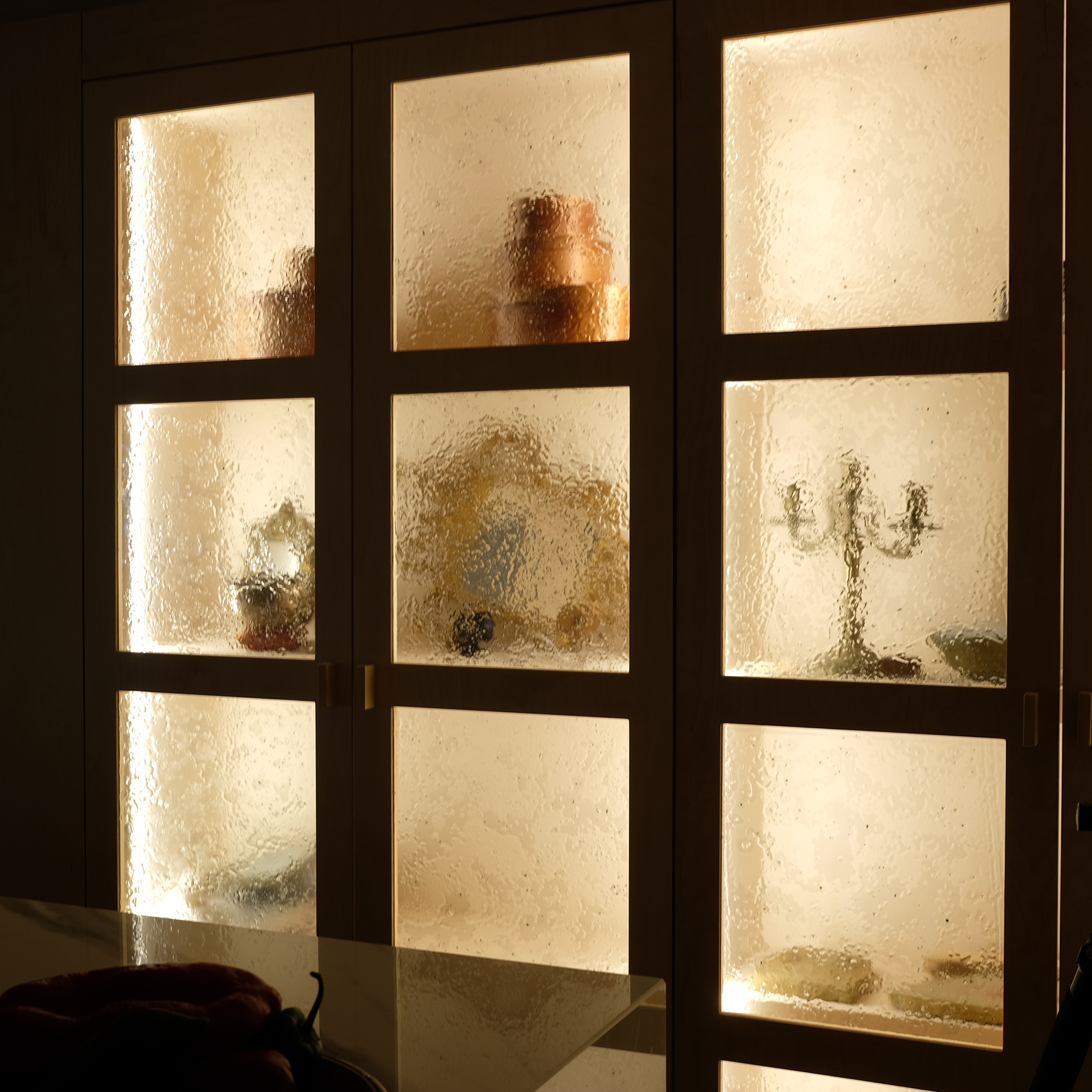
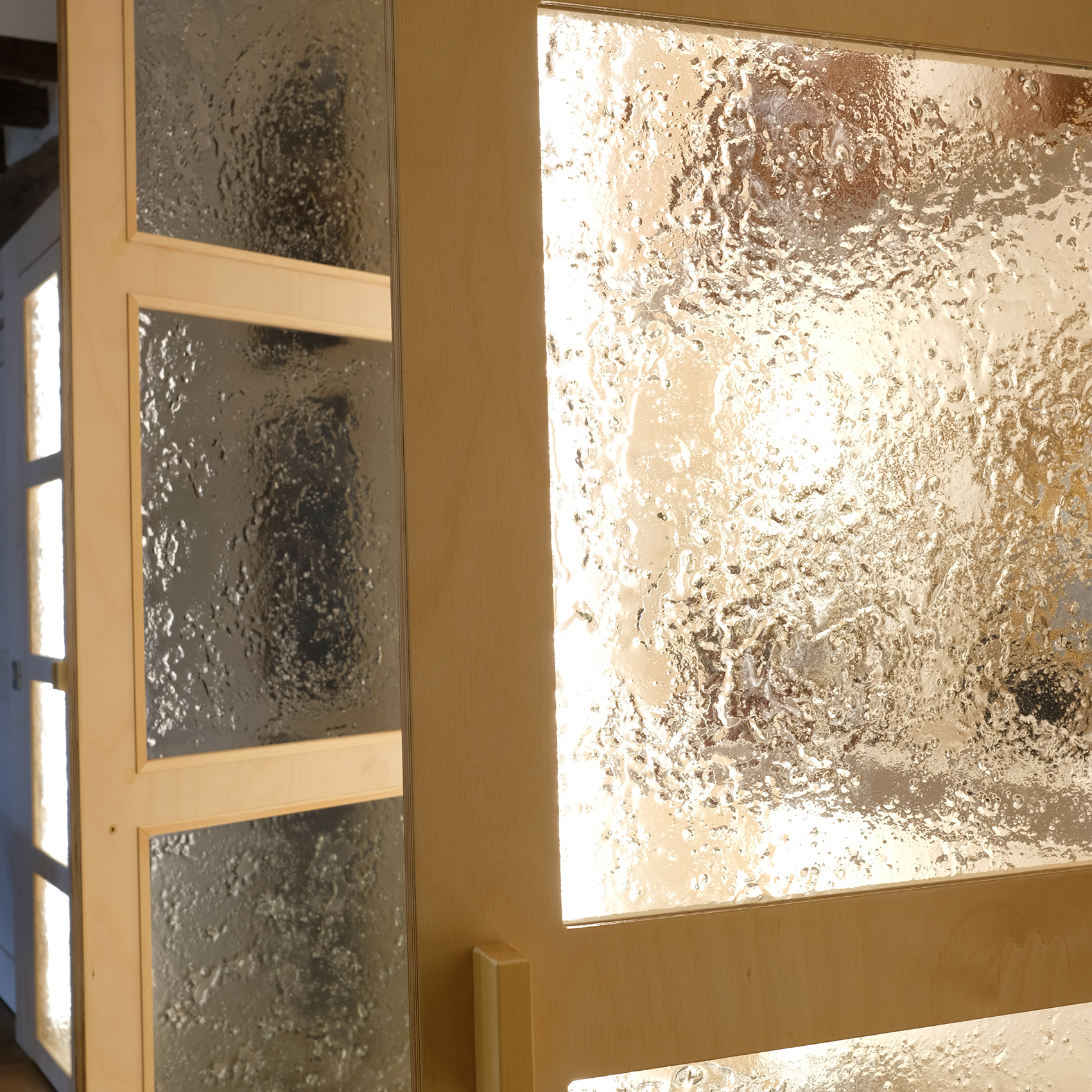
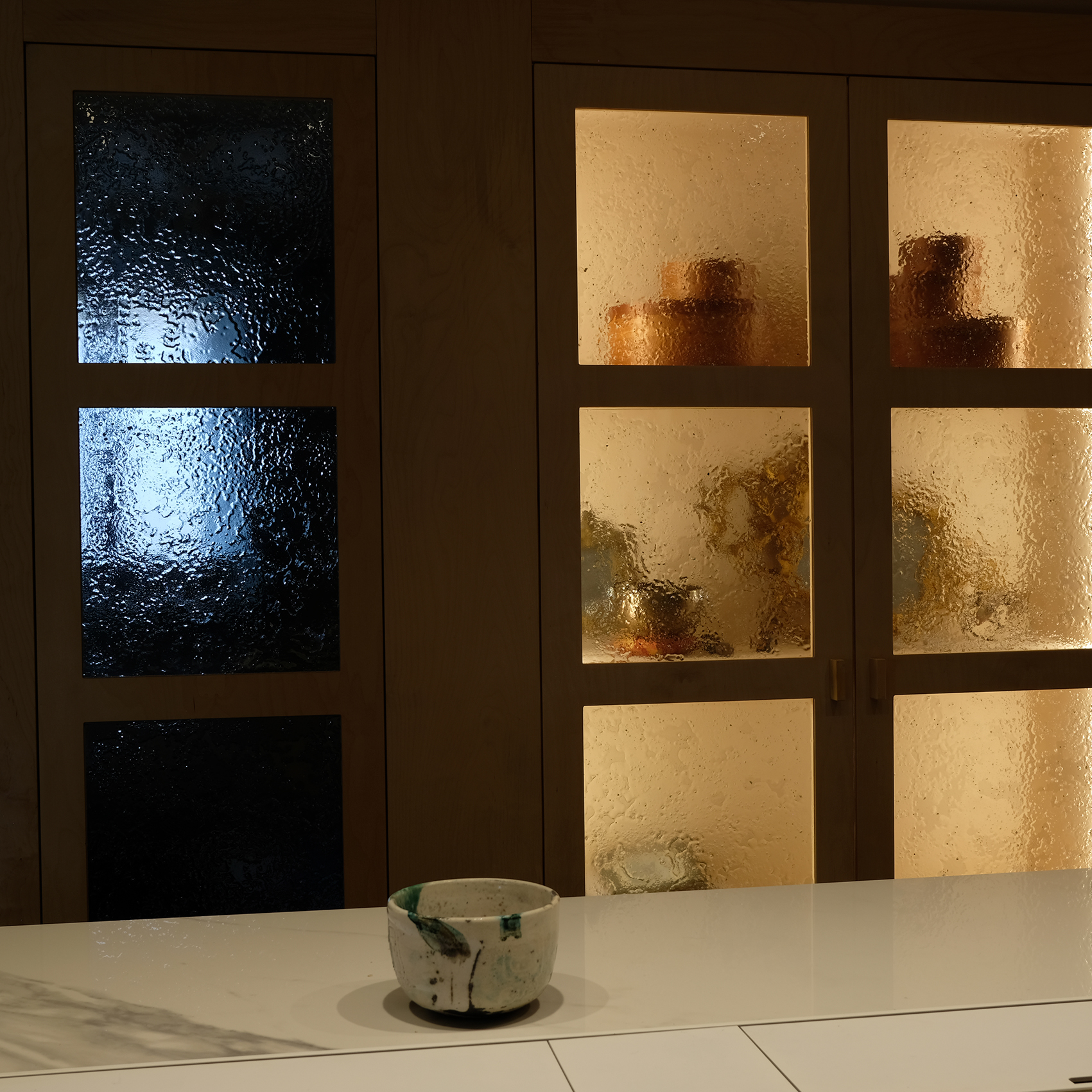
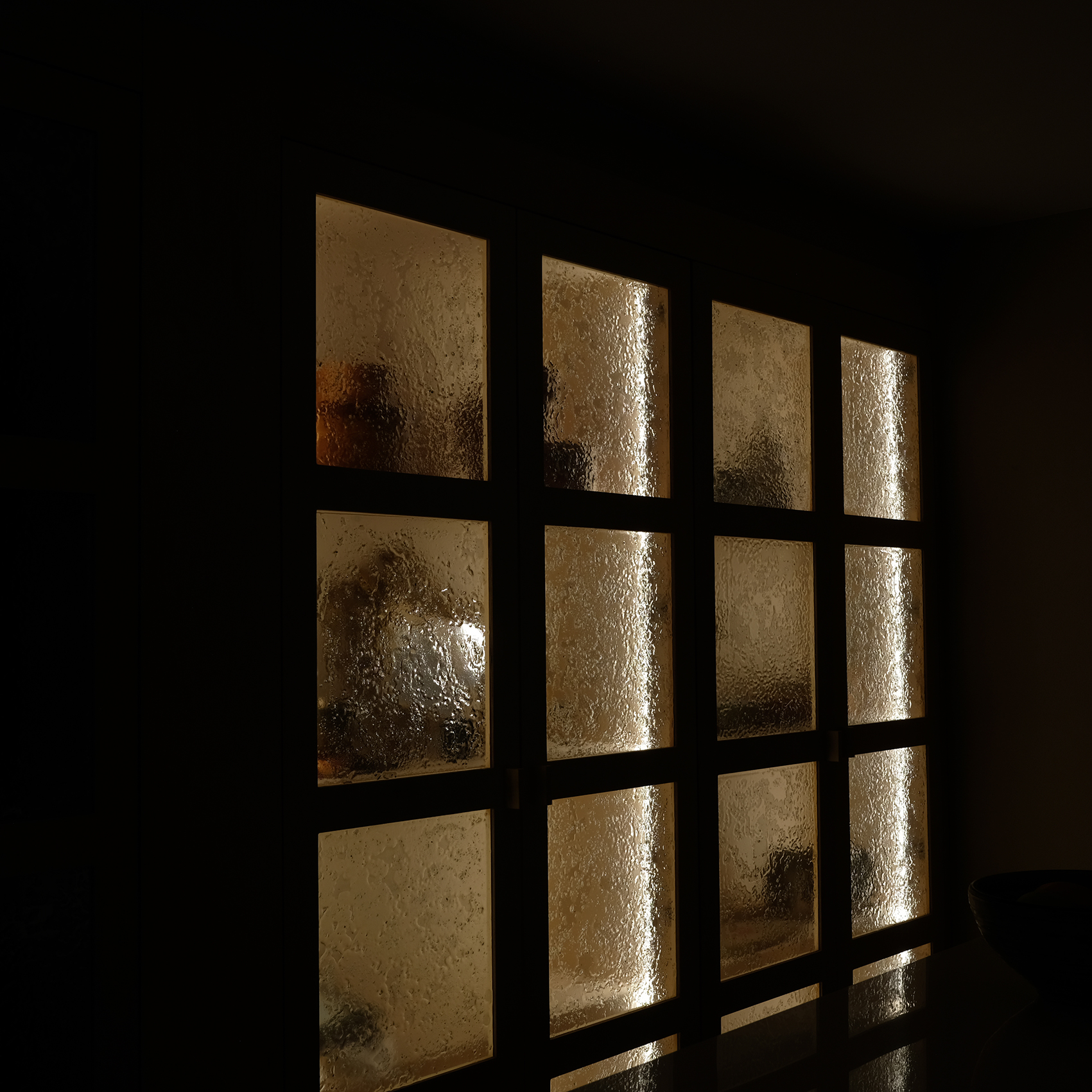
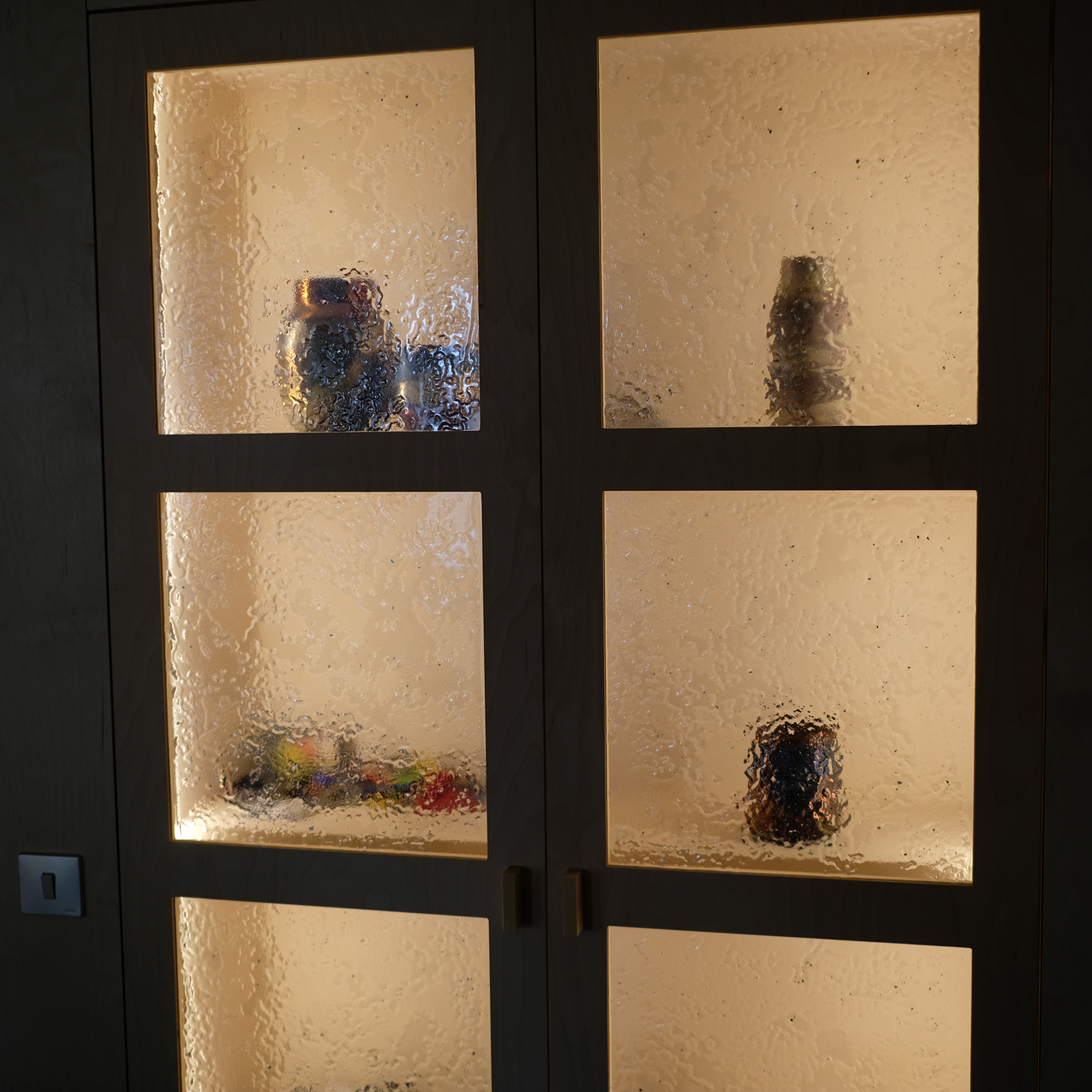
Vidrios para mueble de cocina, texturados y trabajados con mica en polvo.

Glass for kitchen furniture, textured and treated with mica powder.

Custom-made unique table with solid glass elements created using the lost-wax casting technique, and a handcrafted sculptural iron base.

Artisanal porch designed and made on three sides, with iron and wicker structures and glass applications.

Glass pieces applied to wooden furniture to add points of light to the space. Ceramic lamps for the tables.

Glass fish sculpture of different sizes created especially for the space under the staircase in the house.

Iron and glass sculpture created based on the origami figure of the company logo.

Escultura de ferro i vidre creada a partir de la figura d’origami del logotip de l’empresa.

Escultura de peixos de vidre de diferents mides creada especialment per a l’espai de sota escala de la vivenda,

Peces de vidre aplicades a moble de fusta per donar punts de llum al local. Làmpades de ceràmica per a les taules.


Taula única feta a mida amb elements massissos de vidre creats amb la tècnica de motlle perdut, i un suport de ferro escultòric artesanal.


Taula única feta a mida amb elements massissos de vidre creats amb la tècnica de motlle perdut, i un suport de ferro escultòric artesanal.


Vidres per a moble de cuina, texturats i treballats amb pols de mica.

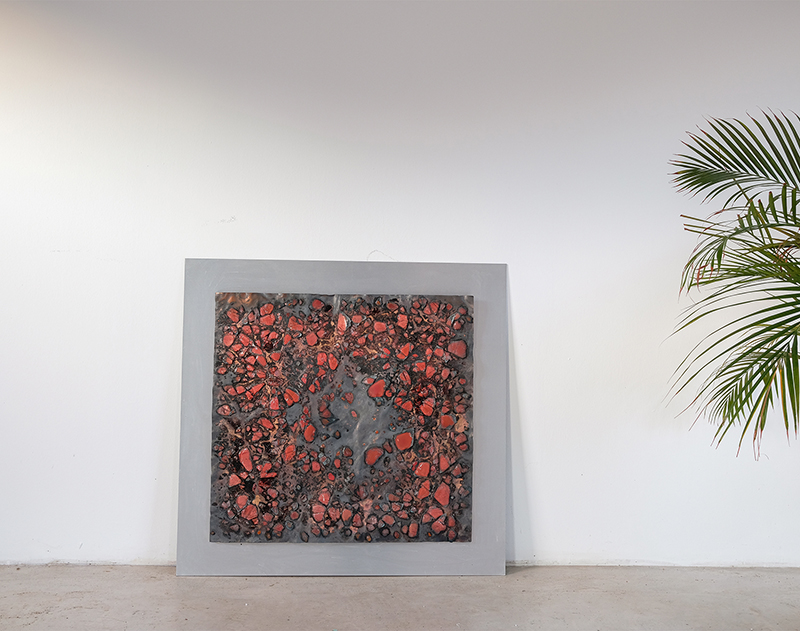
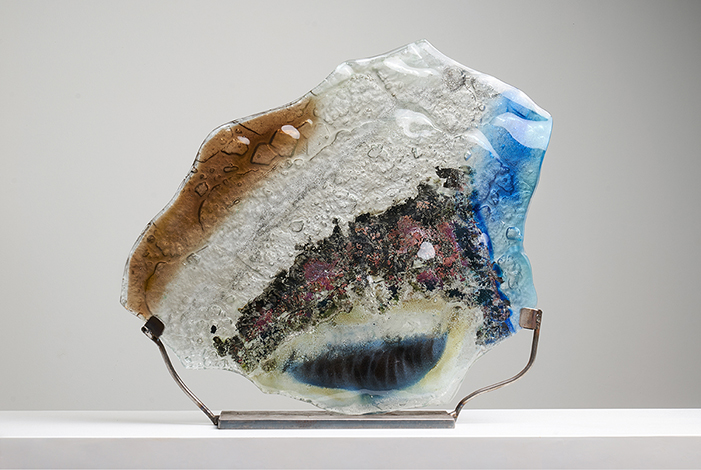
Peça escultòrica de vidre de 50 cm x 30 cm amb textura, esmalts i pols de vidre. Venuda.

Peça treballada amb coure i vidre

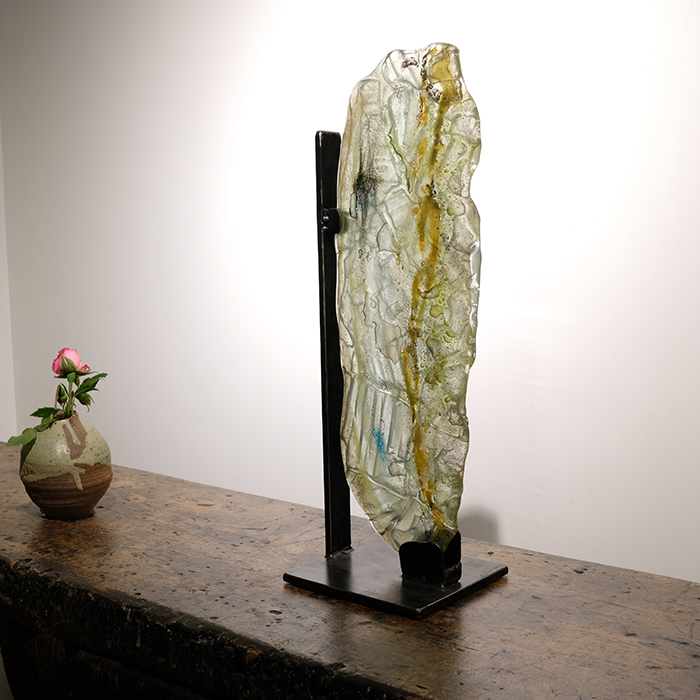
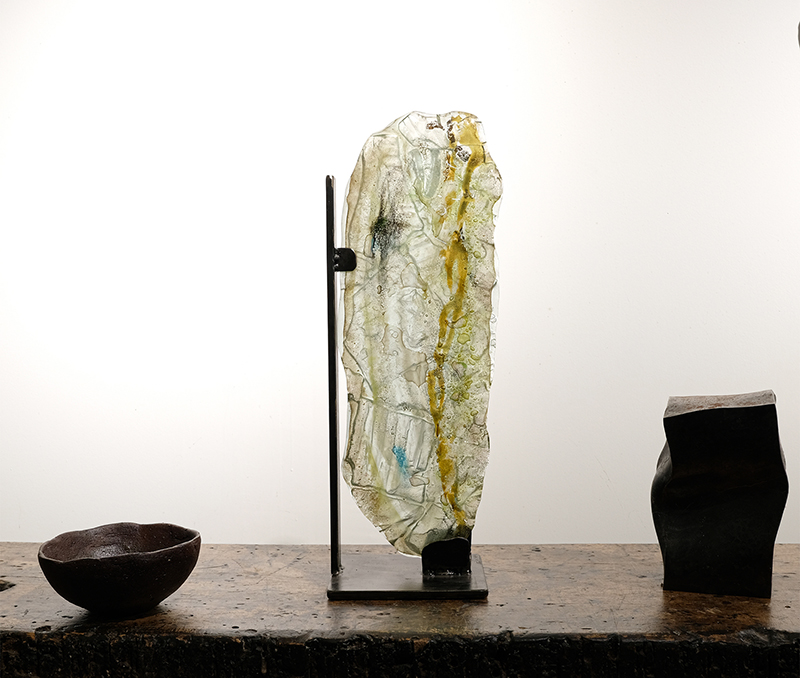
Menhir de vidre amb textura i pols de vidre de color

Peça treballada amb coure i vidre

Peça escultòrica de vidre de 50 cm x 30 cm amb textura, esmalts i pols de vidre. Venuda.

Peça escultòrica de vidre de 50 cm x 30 cm amb textura, esmalts i pols de vidre. Venuda.

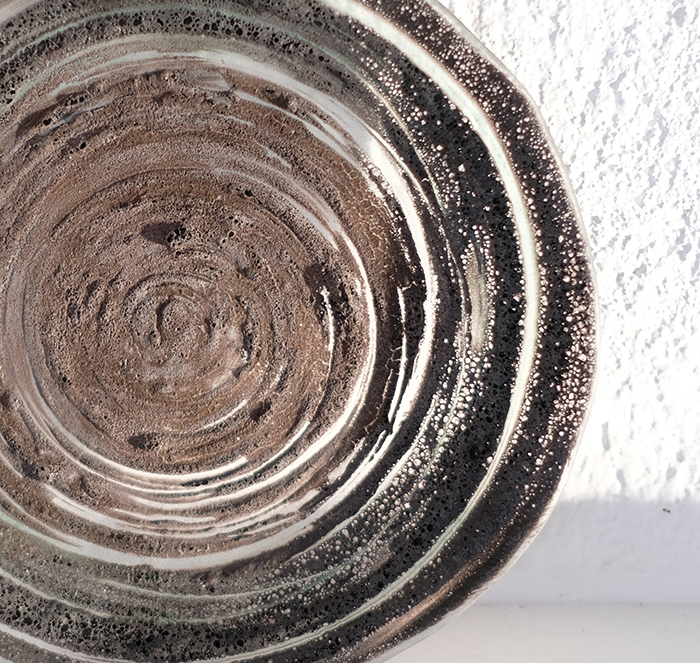
Peça de 30 cm de diàmetre de vidre amb inclusions de ceràmica

Menhir de vidre de 30 cm alçada

Col·lecció de peces decoratives de vidre de 30 cm x 20 cm aprox amb textura i pols de vidre. Disponibles.

Conjunt de tres vasets amb esmalts fets amb nitrat de plata i reserves de cera. Venuts

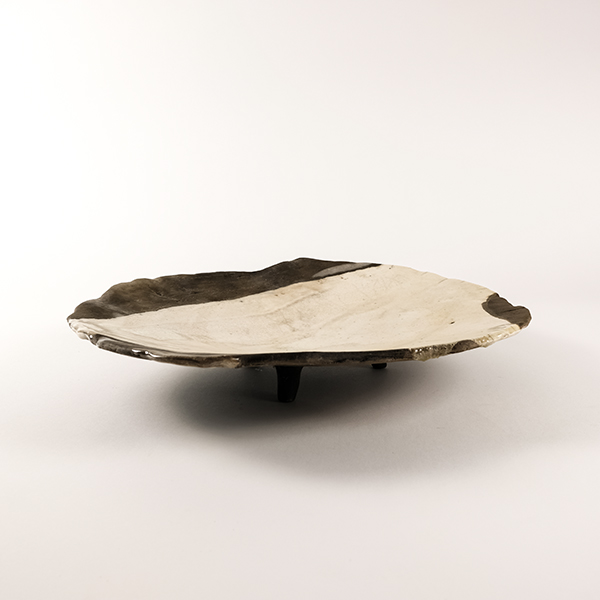
Peces decoratives de centre de taula que combinen el blanc i el negre. Treball de textures amb pedra volcànica. Esmalts elaborats amb pedra basàltica. Disponibles

Peça de centre de taula amb barreja d’esmalts opacs i transparents i treball de reserves amb cera. Venuda

Peça de centre de taula. Treball amb reserva de cera i barreja d’esmalts opacs i transparents beige i blancs. 38 cm diàmetre. Venuda

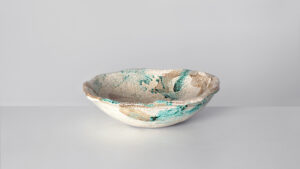
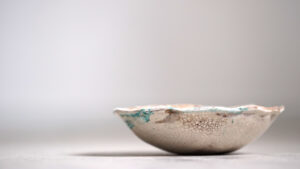
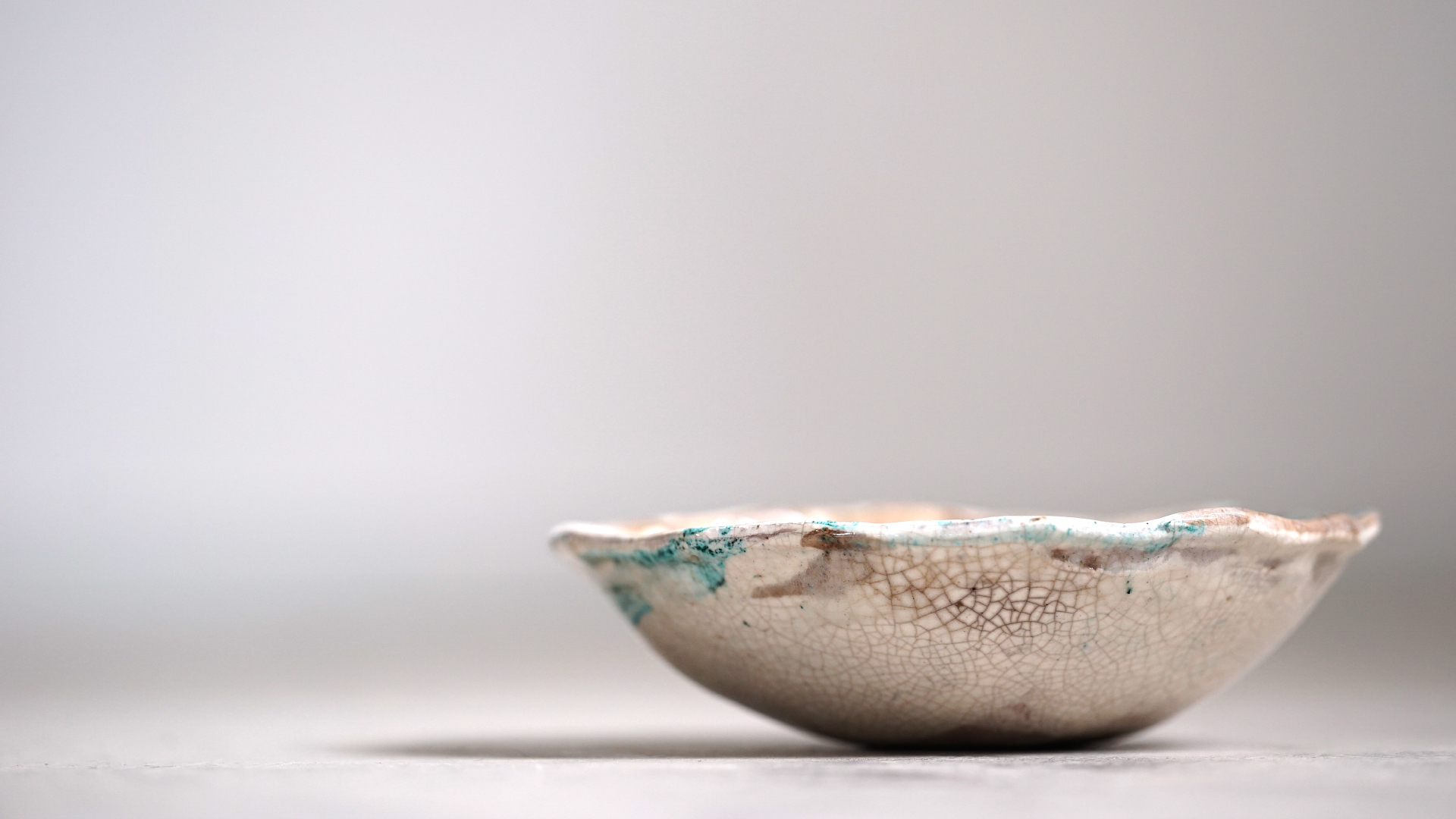
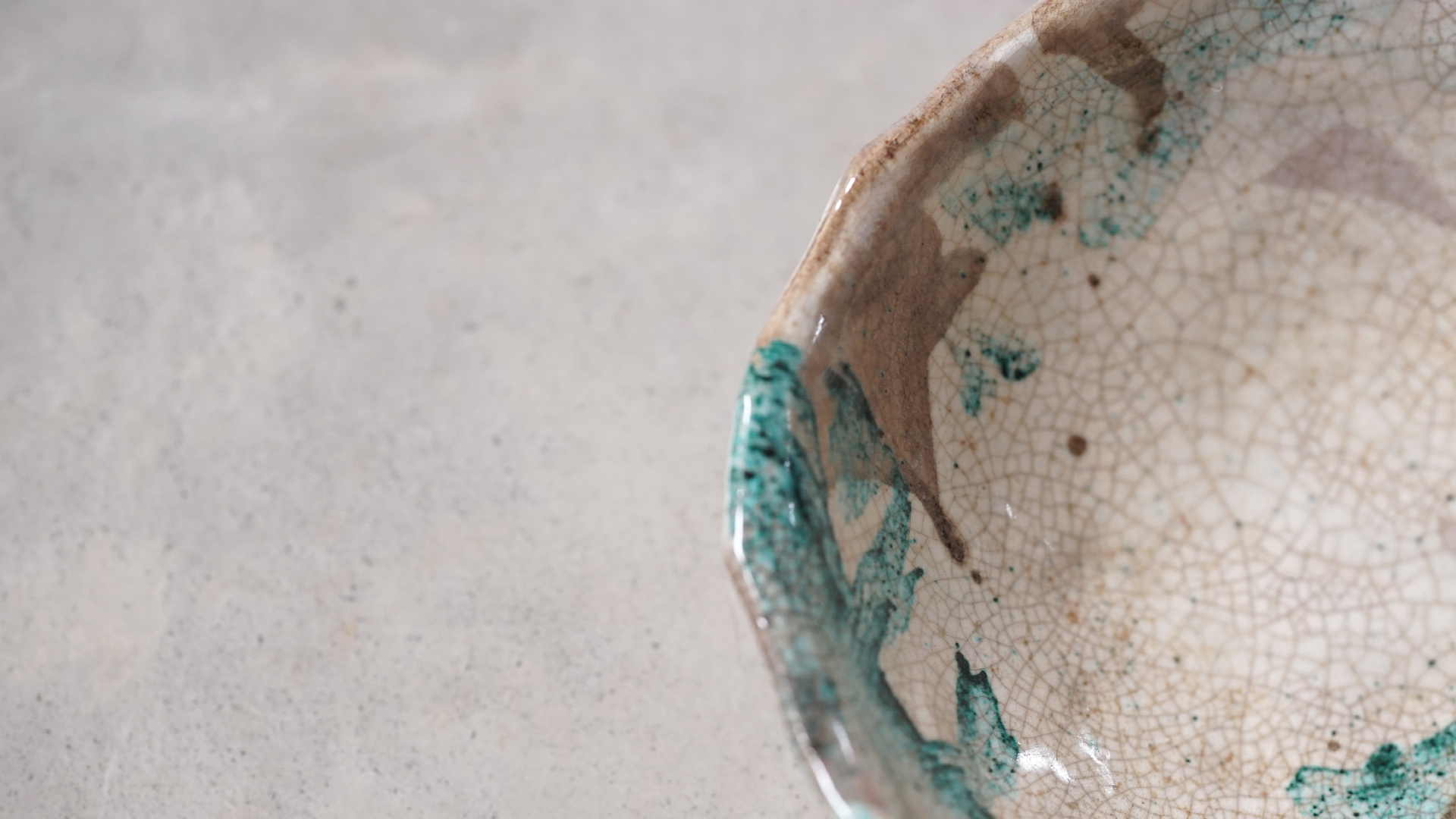
Bol amb esmalts turqueses i blancs craquelats. Venut

Bol de centre de taula. Treball de reserva amb ceres, i barreja d’esmalts craquelats. Disponible a Kave Home

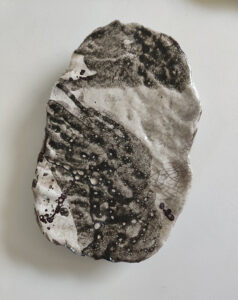
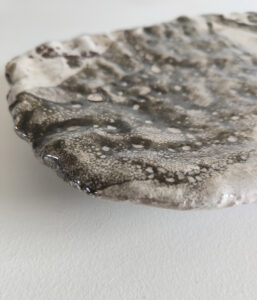
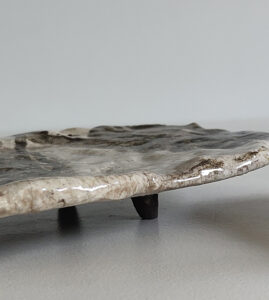
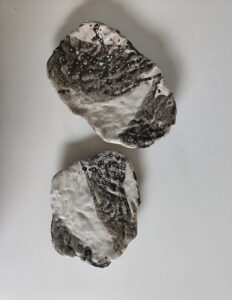
Peces de centre de taula. Treball de textura amb pedra volcànica i escorces. Reserves amb cera i esmalts blancs i pasta de vidre volcànica. Mides aproximades 40 cm llargada * 22 cm. Disponible

Peça de centre de taula. Treball amb reserva de cera i barreja d’esmalts opacs i transparents. 38 cm diàmetre. Venuda.

Bol de 22 cm diàmetre. Barreja d’esmalts opacs i transparents amb pols de vidre negre. Venuda

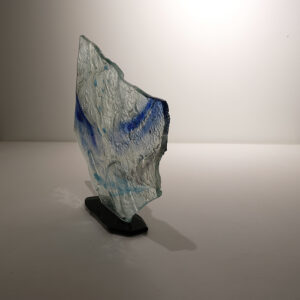
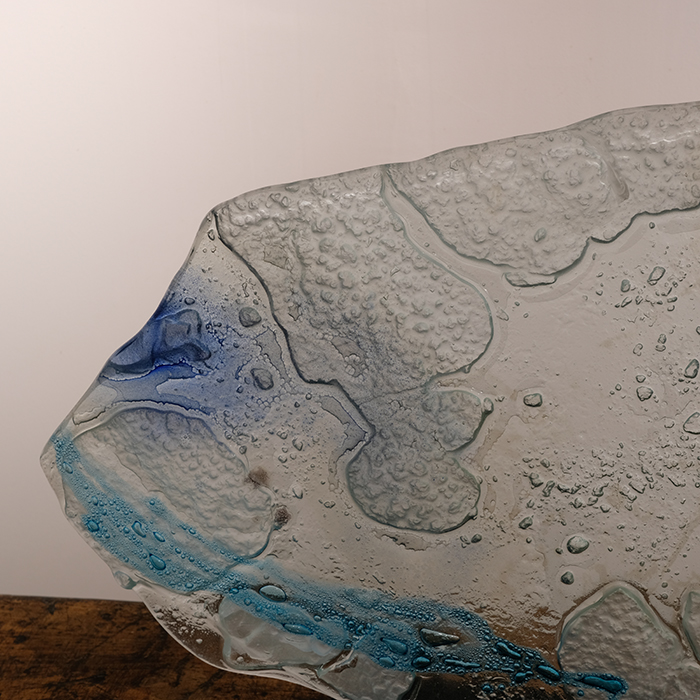
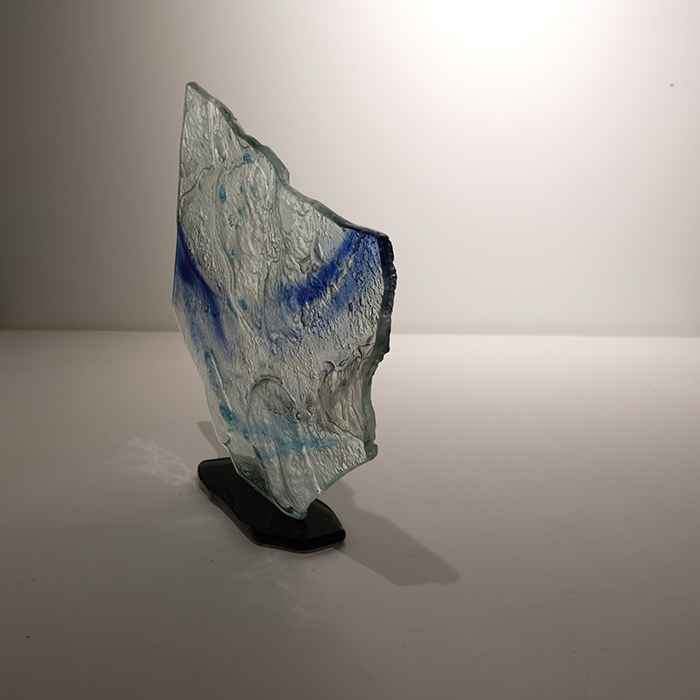
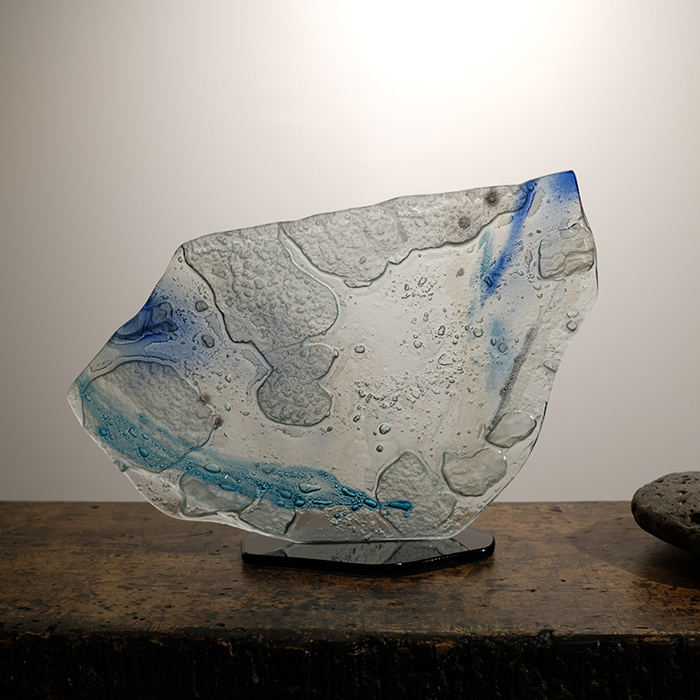
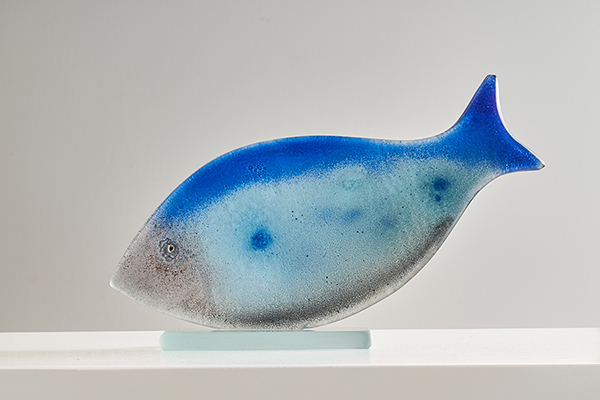
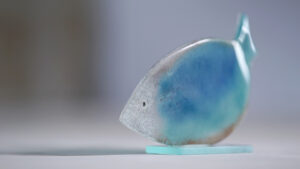
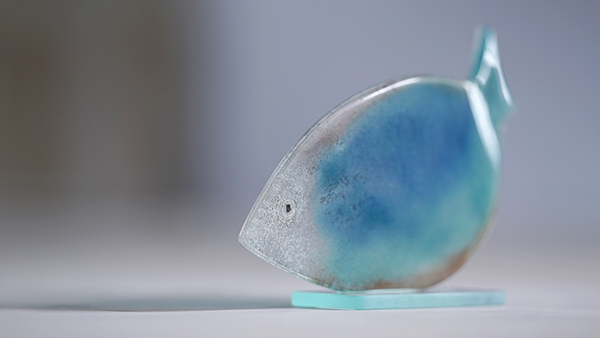
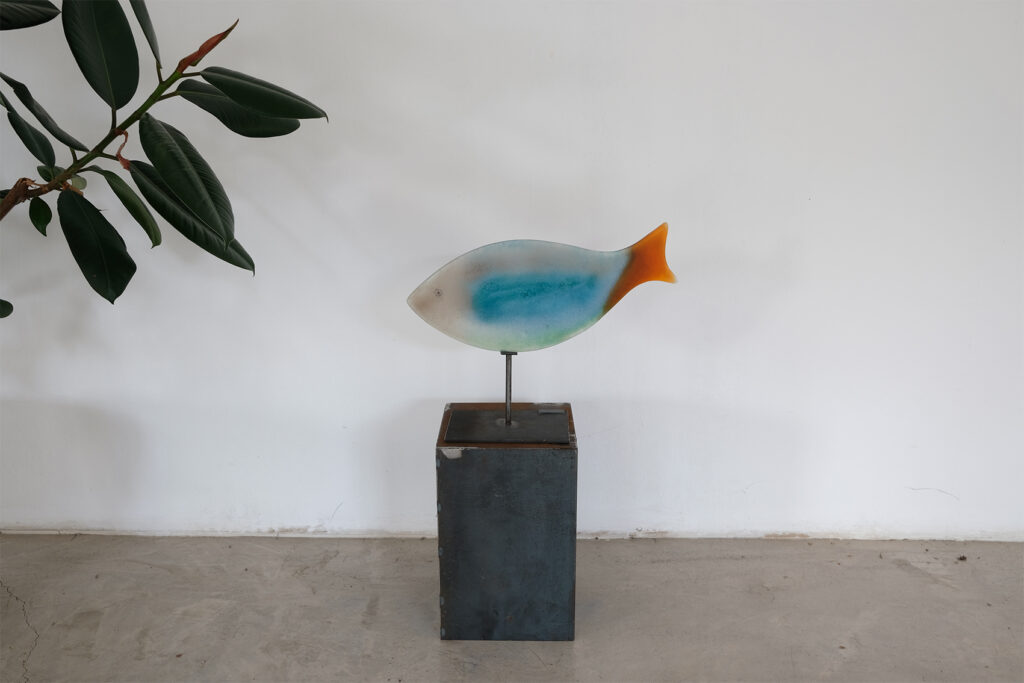
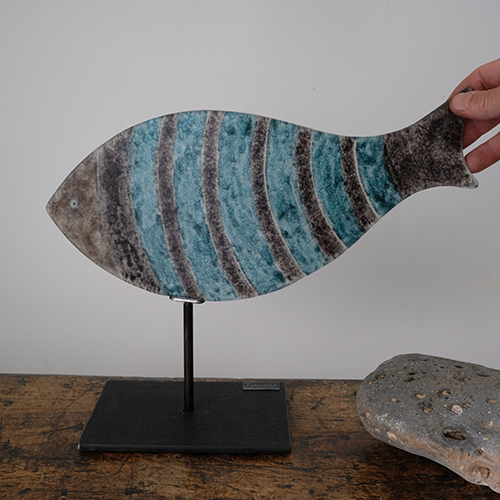
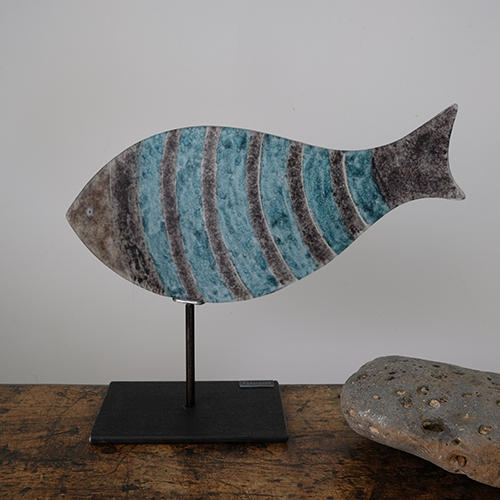
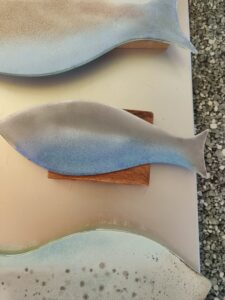
Peix de vidre de color fet amb esmalts i pols de vidre, muntatge sobre peana de vidre polida a mà. Diferents opcions de mida, colors i muntatge.

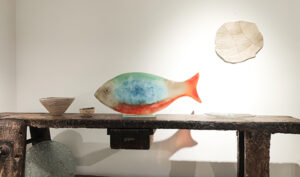
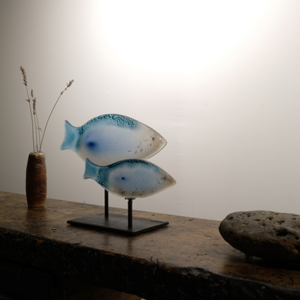
Peixos de vidre de color muntats sobre peana de vidre. Diferents opcions de mida, color i muntatge.

Peixos de vidre de color fets amb pols de vidre i esmalts. Diferents opcions de color, mida i muntatge.

Peça de vidre termoformada de 80 cm amb pols de vidre de color i muntada sobre peana de vidre polida a mà. Diferents opcions de mides, colors i preus.

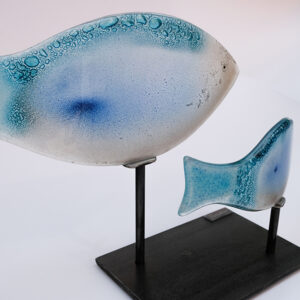
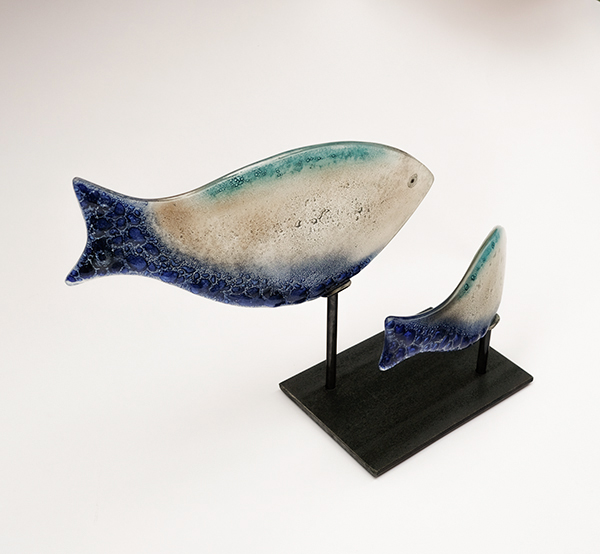
Conjunt escultòric de 2 peces de vidre termoformat amb pols de vidre de color i muntatge sobre peana de ferro. Diferents opcions de mides i colors.

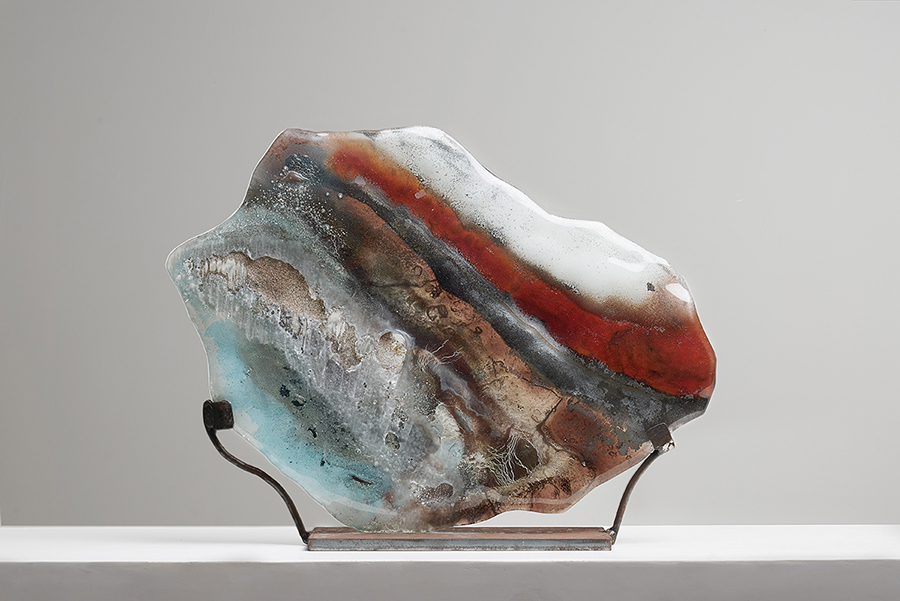
Peça de vidre termoformat amb pols de vidre de color i muntatge sobre peana de ferro. Diferents opcions de mida i color.

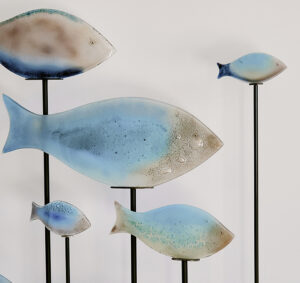
Conjunt escultòric de peixos de vidre muntats sobre peana de ferro a diferents alçades. Mira aquí el projecte sencer

Peix de vidre termoformat amb pols de vidre de color i muntatge sobre peana de ferro. Diferents opcions de mida i color.

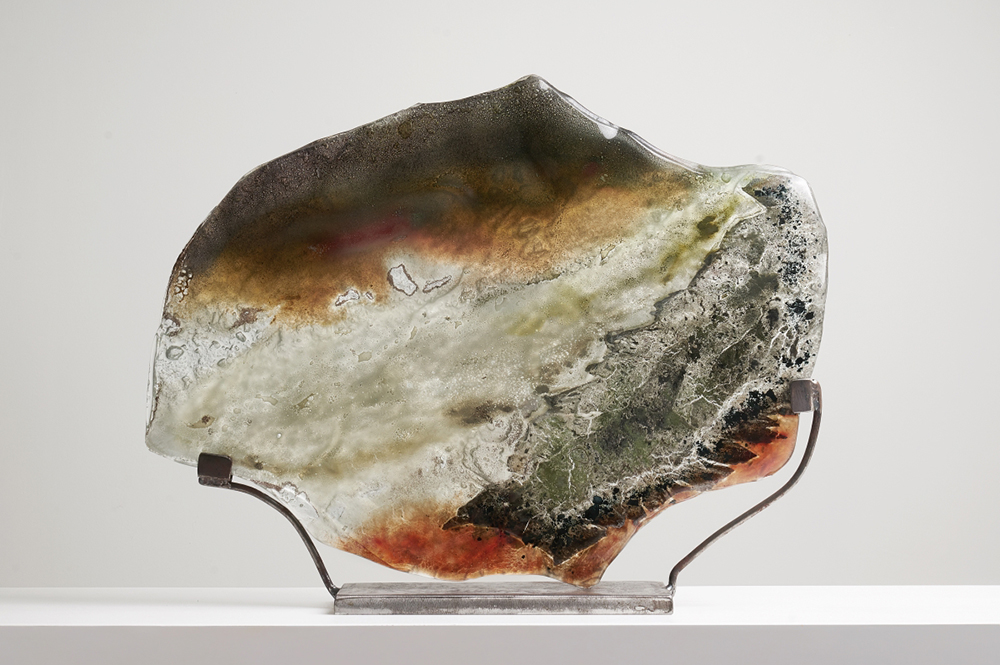
Peça escultòrica vidre termoformat amb pols de vidre de color i muntatge sobre pena de ferro. Diferents opcions de color i mides.

Detall de les peces de ceràmica creades per al Restaurant Quinze Ous.

Detall de les peces de ceràmica creades per al Restaurant Malespina Barra Japonesa.

Vaixelles de ceràmica kilòmetre zero, fetes amb terres volcàniques de la zona.

Plat de vidre treballat amb textura i sobre motlle irregular.

Bols de ceràmica fets amb barreja d'argiles volcàniques amb la tècnica Neriage per al Restaurant Equilibri

Bols de ceràmica amb esmalts del territori dissenyats i produïts especialment pel Restaurant Malespina Barra Japonesa

Peces de vidre especialment dissenyades pel Restaurant Malespina Barra Japonesa.

Projecte integral de vaixella de ceràmica pel restaurant Quinze Ous. Barreja d'argiles volcàniques locals. Els esmalts també contenen terres de la zona. Modelades a mà i amb logo de l'establiment.

The Emerald Isle’s Gamble: Navigating Responsible Gambling in Online Casinos

Introduction: Why Responsible Gambling Matters to You

As industry analysts focusing on the Irish online gambling market, understanding the nuances of responsible gambling tools is no longer optional; it’s critical. The Irish online casino sector is experiencing significant growth, fueled by technological advancements and evolving consumer behaviours. This growth, however, brings with it increased scrutiny from regulatory bodies and a heightened awareness of the potential for problem gambling. This article delves into the key responsible gambling tools employed by online casinos, their effectiveness, and their implications for the future of the industry in Ireland. We’ll explore how these tools impact operator profitability, player protection, and the overall sustainability of the market. Furthermore, we will examine the role of these tools in shaping public perception and maintaining the industry’s social license to operate. A strong commitment to responsible gambling is not just a regulatory requirement; it’s a strategic imperative for long-term success. For instance, consider the offerings at iwild casino, which often represent the current industry standards.

The Arsenal of Responsible Gambling Tools

Online casinos utilize a range of tools designed to promote responsible gambling. These tools can be broadly categorized into several key areas:

Deposit Limits

Deposit limits are arguably the most fundamental tool. Players can set daily, weekly, or monthly limits on the amount of money they can deposit into their accounts. This helps players control their spending and prevents them from exceeding their financial capacity. The flexibility of these limits is crucial; players should be able to easily adjust them within pre-defined parameters, with any decrease taking immediate effect and increases requiring a cooling-off period. This feature is particularly important in Ireland, where consumer financial literacy varies.

Loss Limits

Similar to deposit limits, loss limits allow players to pre-set the maximum amount they are willing to lose within a specific timeframe. This tool helps players manage their losses and avoid chasing them, a common behaviour associated with problem gambling. The effectiveness of loss limits depends on their clarity and ease of use. The system should be transparent, clearly displaying the player’s current losses and the remaining amount before the limit is reached.

Time Limits and Reality Checks

Time limits restrict the amount of time a player can spend gambling in a single session. Reality checks, often implemented in conjunction with time limits, provide players with regular reminders of how long they have been playing and their current win/loss status. These tools are designed to disrupt the immersive nature of online gambling and encourage players to take breaks. In the Irish market, where mobile gaming is prevalent, the ability to easily monitor and manage time spent gambling is particularly important.

Self-Exclusion

Self-exclusion is a more drastic measure, allowing players to voluntarily block themselves from accessing a casino’s services for a specified period, ranging from months to years. This tool is typically used by individuals who recognize they have a problem with gambling. The self-exclusion process should be straightforward and easily accessible, with clear instructions and support resources. Furthermore, casinos must implement robust measures to prevent excluded players from circumventing the restrictions, such as through the use of multiple accounts or different platforms.

Age Verification and Anti-Money Laundering (AML) Measures

While not directly responsible gambling tools, robust age verification and AML measures are crucial components of a responsible gambling strategy. Strict age verification processes prevent underage gambling, while AML measures help to detect and prevent financial crime, which can sometimes be linked to problem gambling. These measures are particularly important in Ireland, where regulatory oversight is increasing.

Affordability Checks

Affordability checks are becoming increasingly common, particularly for high-value players. These checks involve assessing a player’s financial capacity to gamble, using information such as income, expenditure, and credit history. The aim is to prevent players from gambling beyond their means. The implementation of affordability checks raises questions about data privacy and the balance between player protection and the freedom to gamble. The Irish market will need to navigate these complexities carefully.

Evaluating the Effectiveness of Responsible Gambling Tools

Assessing the effectiveness of these tools is a complex task. Key metrics include:

  • Usage Rates: How many players are actually utilizing these tools? Are they being actively promoted and easily accessible?
  • Impact on Gambling Behaviour: Do the tools demonstrably reduce problem gambling behaviours, such as excessive spending or time spent gambling?
  • Player Feedback: What do players think of the tools? Are they perceived as helpful and user-friendly?
  • Regulatory Compliance: Are the tools meeting the requirements of the relevant regulatory bodies in Ireland?
  • Impact on Revenue: Does the implementation of these tools negatively impact operator revenue, and if so, to what extent?

Regular monitoring and evaluation are essential. This requires collecting data, analysing player behaviour, and gathering feedback. The results of these evaluations should inform ongoing improvements to the tools and strategies.

Challenges and Future Trends

The responsible gambling landscape is constantly evolving. Several challenges and future trends are worth noting:

  • Technological Advancements: The rise of artificial intelligence (AI) and machine learning offers new opportunities to personalize responsible gambling interventions. AI can be used to identify players at risk and tailor messaging and support accordingly.
  • Cross-Platform Integration: Players often gamble across multiple platforms. Ensuring consistent responsible gambling measures across all platforms is crucial.
  • Data Privacy: Balancing player protection with data privacy concerns is a significant challenge. Robust data governance frameworks are essential.
  • Regulatory Harmonization: As the online gambling market becomes increasingly global, harmonizing responsible gambling regulations across different jurisdictions is essential.
  • Early Intervention: Shifting the focus from reactive interventions to proactive measures, such as early identification of at-risk players, is becoming increasingly important.

Conclusion: Recommendations for Industry Analysts in Ireland

Responsible gambling is no longer a peripheral concern; it is a core component of a sustainable and ethical online casino business. As industry analysts, we must:

  • Prioritize Data Analysis: Closely monitor the usage and effectiveness of responsible gambling tools.
  • Assess Regulatory Compliance: Stay abreast of evolving regulations and ensure operators are meeting their obligations.
  • Evaluate Technological Integration: Assess how operators are leveraging technology to enhance responsible gambling measures.
  • Understand Player Behaviour: Analyse player data to identify patterns and trends related to problem gambling.
  • Promote Best Practices: Advocate for the adoption of best practices across the industry.

By focusing on these areas, we can contribute to a more responsible and sustainable online gambling market in Ireland, one that protects players, fosters trust, and ensures the long-term viability of the industry.

Desplaça cap amunt
Fem servir cookies pròpies i de tercers per obtenir dades estadístiques  de la navegació dels nostres usuaris i millorar els nostres serveis.   
Privacidad